






Understanding the Audit Findings and Their Implications
The Unified Government of Wyandotte County is facing scrutiny following a recent state audit that highlighted several financial discrepancies and governance issues. Chief Financial Officer Shelley Kneuvean informed the Administration & Human Services Standing Committee about the steps taken in response to these findings. This audit, requested by State Rep. Carolyn Caiharr, underscores the need for greater financial transparency and accountability in the local government amid allegations of mismanagement and inefficient use of funds. Each response to the audit will not only indicate how the government plans to rectify the identified issues but also reassures the public that their taxpayers' dollars are being managed responsibly.
Door-to-Door Solicitation Regulations Spark Controversy
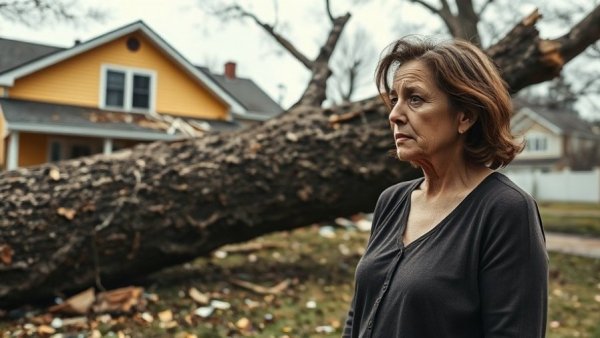
In light of severe storms that struck Wyandotte County in August, the issue of door-to-door solicitation has come to the forefront of local governance discussions. The appearance of solicitors peddling services in affected neighborhoods raised concerns among residents, prompting the committee to consider new regulatory measures. Assistant Counsel Kelsey Saunders presented a proposal to license door-to-door sales across the county, a move suggested by community feedback but one that also drew debates about free speech implications. This raises the question: how can the government protect its residents while respecting their constitutional rights to free speech and commerce?
Commissioner Phil Lopez’s inquiry into potential trespassing citations for disallowed solicitors highlights a risk in balancing consumer protection with constitutional rights. Many residents feel that door-to-door solicitation can sometimes blur the lines between helpful outreach and intrusive practices. Perceptions about these solicitors often vary widely; some view them as helpful sources of information and service, particularly in the recovery period, while others see unlicensed solicitors as unwanted disturbances in their homes, especially in vulnerable times following natural disasters.
As the committee evaluates best practices adopted by nearby cities such as Topeka and Wichita, local residents are left to wonder how these regulations will impact their communities during storm-related recovery efforts. Ensuring that licensed solicitors can provide legitimate services without taking advantage of those still grappling with the aftermath of the storm is a priority for many. Ultimately, the objective is to protect residents while maintaining a healthy marketplace for legitimate businesses.
The Community's Reaction and Personal Stories
For residents like Raúl Álvarez, who recently faced the damage caused by storms without adequate home insurance, the discussion around solicitations feels deeply personal. The emotional weight of recovering from a disaster encompasses multiple facets; it involves not just repairing physical structures but also addressing unexpected out-of-pocket expenses that can strain family finances. Many families, like Álvarez's, represent a significant portion of Wyandotte County households that face these challenges.
Community stories like Álvarez’s exemplify the importance of localized legislative responses. As the weather shifts unpredictably and communities face increasing instances of severe storms, discussions around both the audit findings and solicitation regulations become not just bureaucratic talk but lived experiences. How will these measures, both in regulatory aspects and financial accountability, ultimately benefit residents? Engaging the public in these discussions is crucial in ensuring that the solutions developed are both practical and sensitive to the community's needs.
Looking Ahead: The Future of Wyandotte County Governance
The committee's discussions signify critical developments in governance that may reshape how public services are delivered in Wyandotte County. With proposed enhancements to health department funding, including a $4.46 million grant application, community health services are poised for expansion. A focus on community health infrastructure can serve as a buffer against future crises, emphasizing preventive care as a community priority.
These initiatives aim to strengthen departmental capacity, improve social-service navigation, and respond effectively to local health crises — critical components as the community begins to rebuild following recent adversities. Engaging additional staffing for services like the Peer Support Recovery Program can expedite services for those struggling with mental health issues or substance use disorders, providing vital support to families in distress.
Engaging the Community: A Call to Action
As the Unified Government navigates these complex issues, community engagement remains paramount. Local residents and businesses are encouraged to voice their opinions and experiences regarding the proposed door-to-door solicitation regulations and the outcomes of the audit. Having a conversation means ensuring that diverse perspectives are included in shaping policies that affect every household.
This is where community involvement comes into play. Providing feedback not only strengthens the relationship between the government and its residents but also ensures that solutions are effective and equitable. Residents might consider attending public meetings or engaging with elected representatives to share opinions on how regulations might help improve safety and well-being in the aftermath of storm-related challenges.
If you have a story to share or would like more information about how you can contribute to the discussion, don’t hesitate to reach out via email at team@kansascitythrive.com. Your voice matters! The path forward for Wyandotte County is a collective journey, and together, with open lines of communication and shared stories, we can work toward a more resilient and thriving community.




Write A Comment