






Increased Federal Support for Elections: A New Era
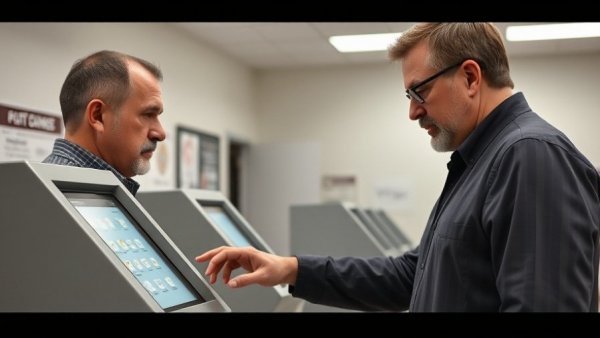
The anticipation surrounding the 2028 election is palpable, especially in fast-growing communities like Hardin County, Kentucky. With the impending construction of a massive Ford battery plant that promises to create thousands of jobs, the potential for increased voter participation is significant. The county, located just south of Louisville, already boasts a population of over 110,000, and this influx of new residents is expected to bring an equally substantial rise in the number of voters. Brian Smith, the county clerk, expressed confidence that he will need additional resources to cater to what he expects to be a surge in voters. "I am confident that by the 2028 presidential election, I (will) have huge equipment needs in order to have enough polling locations operating to serve the number of voters I have," Smith said, indicating his readiness to tackle the challenges ahead. However, funding remains a pressing concern, and he knows that without robust support, the infrastructure needed could fall short.
Shifting Political Landscape and Election Funding
As Democrats gain control of both the U.S. House and Senate, hopes for more consistent federal funding for elections are on the rise. Election officials across the country have repeatedly urged Congress for additional support to modernize and secure election infrastructure. This modernization is vital to ensure that every vote counts accurately and securely, especially in the face of rising cybersecurity threats. With the Democratic majority overseeing appropriations, there's a renewed optimism that necessary advancements may finally be funded. The introduction of significant proposed budget allocations marks a promising direction. California Senators Alex Padilla and Adam Schiff have actively pushed for a $10 billion federal investment towards election security and administration, aiming to establish a more reliable funding stream for state elections. This funding would not only support technological upgrades but also enhance processes designed to ensure that elections are fair and transparent.
The Role of the U.S. Election Assistance Commission (EAC)
The EAC’s existence is critical, as it is the sole federal agency dedicated to assisting states in running secure elections. It plays a pivotal role in maintaining the integrity of voting systems across the nation. However, recent political efforts have sidelined its effectiveness. The committee previously responsible for overseeing election processes has been nearly dismantled under former President Donald Trump, as he dismissed two commissioners and saw another resign. This has greatly limited the EAC's ability to distribute federal grants effectively. This funding is crucial, particularly for upgrading voting machines and cybersecurity measures, areas where many states are struggling to keep up with technological advancements and threats. The urgency to address these challenges is underscored by experts' warnings of potential catastrophic failures if investment in election technology is delayed. The stakes for local communities, especially those expecting increased voter turnout, could not be higher.
Importance of Consistent Funding for Elections
Election officials like Thomas Hicks, a former EAC commissioner, have voiced significant concern about inadequate resources for maintaining and upgrading voting systems. Their warnings emphasize the potentially disastrous consequences of neglecting to allocate necessary funds for election security. A report from the Bipartisan Policy Center highlighted that as of 2024, states had spent approximately $343 million on election security grants, focusing on vital areas such as voting equipment and cybersecurity. However, this amount falls short of what is needed to create a sustainable and secure election infrastructure. As the nation prepares for heightened scrutiny during upcoming presidential elections, ensuring robust funding frameworks will be essential for safeguarding electoral integrity. As communities continue to grow and change, the importance of bolstering our election systems cannot be overstated.
Counterarguments: Challenges Ahead
Despite optimism, challenges remain, particularly the Senate's 60-vote threshold for advancing most legislation. This requirement could impede the Democrats’ plans, as bipartisan support will be necessary for any significant funding measures. Historical precedent shows that cooperation across the aisle is often necessary to achieve legislative goals while navigating partisan divides. While the Democratic majority has an agenda focused on election funding and security, gaining the necessary Republican support for such initiatives might prove challenging, given the political climate. That said, some Republicans, having previously backed election aid, may still be swayed to support necessary funding measures to protect the electoral process. All sides understand that a strong electoral foundation benefits democracy, which may create opportunities to bridge the gap.
A Call for Proactive Measures
As the 2028 election approaches, now is the time to assess the roles of local, state, and federal agencies in promoting and securing electoral processes. Communities facing similar demographic shifts to Hardin County must advocate for efficient election systems that can adapt to increased voter populations. Local election officials need a voice in shaping the policies that impact their operations, ensuring that they have the resources they need to facilitate smooth elections. It is incumbent upon elected officials and citizens alike to prioritize funding for elections to safeguard democracy.
This awareness extends beyond federal aid; there are stories of individual citizens and advocates who have stepped up to ensure that their communities have what they need to vote effectively. Grassroots movements focused on election advocacy are emerging, with local activists pushing for transparency, security, and access to voting. As the mechanisms to facilitate a transparent voting process evolve, the narrative around election funding will also shift. Engaging in dialogue about these issues is crucial. Whether through town hall meetings or social media campaigns, citizens must demand action and accountability from their leaders. Only through collective effort can the United States work toward creating a more secure election infrastructure designed to serve its democratic ideals.







Write A Comment