






Contextualizing the Controversy Over USAID Records
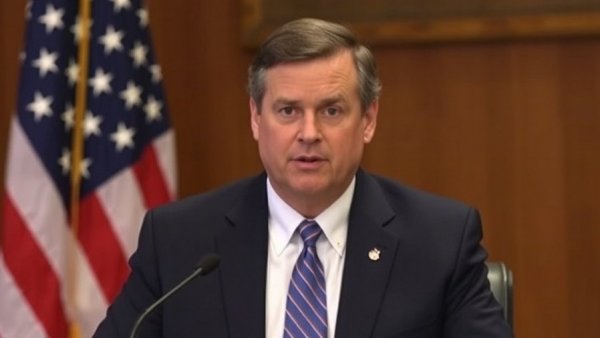
The recent dispute involving Sen. Eric Schmitt and two senior congressional Democrats over the release of USAID records has ignited a fierce debate around transparency in government operations. On one side, Schmitt—a Republican from Missouri—stands firm in asserting that the disclosure is vital to eliminating what he describes as corruption within the agency. On the other side, Democrats like Sen. Jeanne Shaheen and Rep. Gregory Meeks argue that revealing these documents poses risks by including potentially identifiable information, thereby violating federal privacy laws. This disagreement not only highlights the political divide but also raises critical questions about the integrity of how taxpayer dollars are used and the transparency of government actions.
Why This Matters for Kansas City Residents
For many local residents and businesses in Kansas City, this controversy is more than just a political squabble; it has significant implications for taxpayer money and international aid operations. As taxpayers, residents have a vested interest in ensuring their contributions are spent wisely and ethically. Kansas City has a diverse economy with an array of businesses that depend on stable international relations and reliable foreign aid programs. Understanding the ramifications of military aid transparency can impact local businesses, especially those involved in international trade or working with foreign partners—navigating the concerns and regulations surrounding aid programs can be a crucial aspect of operations.
The Broader Implications of Foreign Aid Disclosure
The release of internal USAID documents, including a substantial 1.1-gigabyte archive that spans emails, memos, and videos from 2021 to 2024, raises pertinent questions about accountability and the management of taxpayer funds. Schmitt's insistence on ending what he describes as a "grift" ties into a larger narrative that suggests excessive oversight and potential misuse within established governmental structures. This friction could reflect broader sentiments of disapproval towards traditional political norms, communicating a demand for return-on-investment transparency for all taxpayers. With ongoing discussions surrounding aid reform, Kansas City residents should be cognizant of how these changes could affect local contracts tied to federal initiatives and overall economic health.
The Political Landscape and Activism
As the political landscape continues to evolve, particularly among constituencies tired of perceived government waste, messages like Schmitt’s resonate with an audience eager for reform. The vocal rejection of Democrat calls to retract these files could propel similar initiatives across the nation, prompting citizens to demand more accountability from their representatives. Such movements, when fueled by community engagement in places like Kansas City, can reshape dialogue around local governance and influence national politics. Moreover, understanding these dynamics can empower residents to play a more active role in civic engagement, advocating for measures that ensure fiscal responsibility both locally and federally.
Looking Ahead: The Future of USAID and Aid Transparency
With Schmitt advocating for a more transparent government and Democrats cautioning against risking privacy and misinformation, there is much to analyze moving forward. The discourse not only reflects immediate concerns about the USAID file release but also hints at larger trends: an electorate that increasingly desires a voice in where their taxes go, intertwined with growing skepticism of established political practices. Residents of Kansas City, and beyond, may find themselves grappling with the impacts of these decisions in their broader community lives, driving local conversations about the kind of governance they expect and demand. Civic organizations and advocacy groups in the area may take this opportunity to educate citizens on government funding allocation and the importance of transparency in international aid programs.
Actionable Insights for Local Businesses and Community Members
Given the trends started by this political discussion, Kansas City residents and local businesses should consider proactively exploring how changes in foreign aid regulations and transparency could impact their own operations. For businesses that engage with international customers or rely on federal contracts, staying informed about potential shifts in policy can offer insights into future opportunities or risks. Additionally, networking with local chambers of commerce and industry groups can provide avenues for dialogue on best practices regarding compliance with any forthcoming regulations. The potential for emerging policies to influence trade agreements or international partnerships can’t be understated, making it imperative for business owners to adapt and stay engaged in these conversations.
Join the Conversation
As the dialogue surrounding USAID continues, Kansas City residents are encouraged to engage and share their perspectives. The evolving nature of this debate invites contributions not only from policymakers but from everyday citizens who have a stake in the outcomes. If you have a story to share or want to contact us for more details, drop us an email at team@kansascitythrive.com. Your voice is essential in shaping the community narrative and advocating for effective governance that aligns with the interests of Kansas City’s vibrant local economy.







Write A Comment