






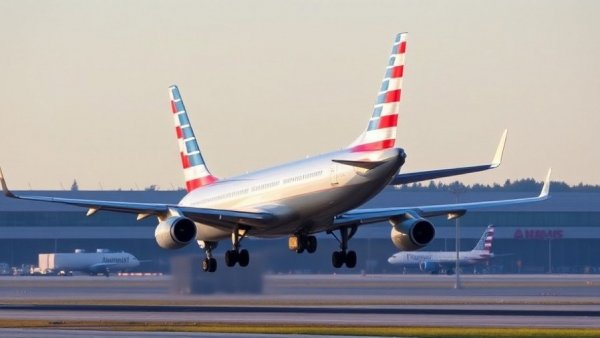
Reagan National Airport Incident: A Closer Look
On a brisk Friday evening at Reagan National Airport, Washington, DC, an unusual incident unfolded as two American Airlines planes collided while taxiing. This situation, although alarming, thankfully resulted in no reported injuries. However, it left many passengers delayed, raising questions about safety measures in place at one of the busiest airports in the country. The event sparked conversations not just among those who were traveling that evening but also among local communities, where the airline's operations often have a direct impact on travel plans.
A Breakdown of the Incident
The incident occurred around 5:10 p.m. local time, as American Airlines Flight 638 clipped the wing of American Airlines Flight 2152 while maneuvering on the tarmac. The Federal Aviation Administration (FAA) confirmed the occurrence in a post on its X account and assured that an investigation would follow. Both aircraft, a Boeing 737 and a Boeing 800, were directed back to their gates for inspection by American Airlines’ maintenance team, highlighting the airline's commitment to safety and thorough post-incident processes. The need for such checks underlines the rigorous standards required for air travel, where each incident is a crucial learning point for airlines and regulatory bodies.
Passenger Reactions and Social Media Buzz
In the age of social media, incidents like these ignite conversations online almost instantaneously. Social media platforms became a hub of reactions to the incident. Passengers and aviation enthusiasts alike shared their thoughts and experiences, with one pilot humorously remarking, “Unfortunately, we swapped paint,” in an audio clip that circulated on Twitter. Such commentary not only illustrates the often lighthearted nature with which the aviation community can respond to mishaps but also emphasizes the human side of air travel experiences, which can include unforeseen challenges. The incident proved to be an unexpected opportunity for passengers to connect, share stories, and bond over their collective experience, showcasing the community that can emerge even in trying circumstances.
Delayed Departures: A Ripple Effect
While the immediate consequences centered on the inspection of the planes, the larger impact of this incident surfaced through delays faced by numerous passengers. Airline delays can create substantial disruptions, particularly for those who may have connections or time-sensitive travel plans. According to reports from CBS News, the incident caused significant adjustments in flight schedules, which meant that many travelers found themselves waiting at the airport longer than they anticipated. It is crucial for airlines to communicate effectively during such events to minimize passenger inconvenience. The subsequent delays served as a reminder of the intricate nature of air travel logistics and how quickly things can shift from routine to unexpected. Passengers in the Kansas City area, who often connect through major hubs like Reagan National, can consider this experience a lesson in the unpredictability of travel.
The Importance of Safety Protocols
In light of this incident, one cannot overlook the importance of safety protocols in the aviation industry. The FAA plays a crucial role in maintaining and enforcing regulations that ensure safety standards are met. Incidents like this act as a spotlight on those protocols and how they adapt to accommodate unexpected events. They raise essential questions about the efficacy of existing systems and what improvements can be made, prompting industry stakeholders to reflect on necessary adjustments in procedures and technology. The shared responsibility of ensuring passenger safety falls on airlines, airport staff, and regulatory agencies alike, demonstrating a collaborative effort to maintain the highest possible standards in air travel.
A Community Engaged: Local Perspectives
For residents of the Kansas City area, incidents like these can hit close to home, with many traveling through Reagan National Airport for business or personal reasons. Understanding the dynamics of aviation incidents is crucial for community members, as it can directly influence travel plans and experiences. Staying informed about such happenings prepares passengers for potential disruptions and encourages discussions about local travel needs and airport policies. Businesses that rely on travel connections—including those in tourism, hospitality, and commerce—need to be aware of the broader implications of such incidents. It emphasizes the interconnectedness of the aviation industry and local economic health, as delays can lead to missed opportunities for business travelers and tourists alike.
What’s Next for American Airlines and Passengers?
Following the incident, American Airlines will undoubtedly analyze the events to ensure proper protocols are followed and reinforced. Passengers are likely to wonder about potential compensation for delays caused. Understanding airlines’ policies in such situations can empower consumers. Travelers should review their rights and be aware that many airlines offer compensation or travel vouchers for significant disruptions. This emphasizes the essence of being informed before and during travel, enabling passengers to navigate disruptions more effectively. Being proactive—whether by monitoring flight status or keeping in communication with airline representatives—can significantly ease the stress of unforeseen travel challenges.
Your Voice Matters: Share Your Experiences
As we continue to observe the developments of aviation safety and operations across the nation, local residents and travelers alike are encouraged to share their experiences regarding air travel. Your stories matter! Have a story to share or want to contact us for more details? Drop us an email at team@kansascitythrive.com and join the conversation! Engaging with fellow travelers and local businesses not only fosters community spirit but also aids in creating a support network that can be invaluable when navigating the complexities of air travel. Remember, your insights might just help someone else plan their journey more effectively.







Write A Comment