






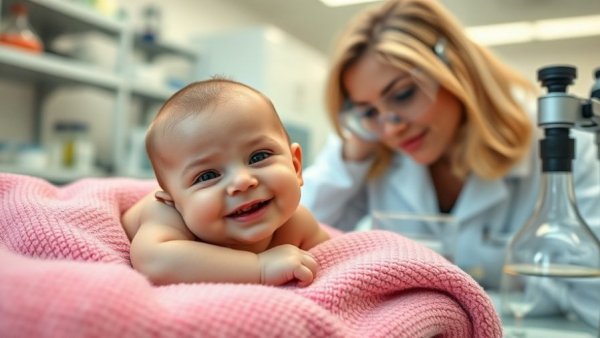
The Quest for the 'Perfect Baby': A New Frontier in Genetic Testing
In the rapidly evolving world of biotechnology, the line between desired traits and ethical considerations is becoming increasingly blurred. With the recent launch of NeuroRisk by Herasight, parents now have a potential path toward screening embryos not just for genetic ailments but also for autism and schizophrenia. This shift represents a significant development in our understanding of genetic predispositions and how we might harness this knowledge when starting families.
Silicon Valley, known as a hub for technological advancements, is deeply entrenched in this conversation. The area, packed with tech-savvy individuals, is witnessing a growing trend where parents feel compelled to pursue so-called “perfect” children. There’s a perception that autism rates are climbing among these tech families, further fueling the desire for comprehensive genetic solutions. In a region that prides itself on innovation and achievement, the quest for a 'perfect baby' is both a personal choice and a societal phenomenon.
Understanding Autism and the Role of Genetics
Research has indicated that there may be a genetic component in autism, leading many parents to seek pre-implantation genetic diagnosis (PGD) options. NeuroRisk claims to evaluate the risks of autism by screening embryos and providing parents with information that could strongly influence their decisions. This raises important questions: How much do we understand about the genetic factors contributing to autism, and what ethical implications arise from our desire to reduce its occurrence?
Experts suggest that while there is a genetic link to autism, environmental factors also play a role in its development. The intersection of genetics and environment complicates the narrative surrounding autism, suggesting that it is not simply a matter of eliminating the genetic components. As awareness and understanding of the autism spectrum continue to grow, it is critical to balance the potential benefits of screening with the necessity of fostering acceptance and inclusion of all individuals, regardless of their neurological differences.
Ethical Dilemmas: A Double-Edged Sword
While the technology offers exciting possibilities, it also invites a wave of ethical dilemmas. Critics argue that screening for traits like autism could inadvertently stigmatize individuals who are on the spectrum. There is a genuine concern about the societal implications of creating an environment that favors certain genetic traits over others.
For many within the autism community, the disorder encompasses a broad spectrum of experiences that vary significantly across individuals. By fostering a narrative that seeks to eliminate autism, we risk undermining the unique contributions of autistic individuals to society. Furthermore, discussions around neurodiversity emphasize the value of varied cognitive and sensory experiences. By recognizing and appreciating these differences, society can move toward embracing inclusivity rather than exclusion, which is paramount in our quest for progress.
Broader Implications for Society
The implications of embryo screening extend beyond individual choices to societal trends. As the technology becomes more accessible, the potential exists for an increasing divide where only certain socioeconomic groups can afford to curate traits in their offspring. This could lead to genetic inequality, affecting future generations and perhaps even exacerbating existing social divides.
Access to such advanced reproductive technology may also highlight discrepancies in healthcare accessibility, especially in communities with fewer resources. Residents of areas such as Kansas City must consider how these advancements could shape the future landscape of local healthcare practices and societal norms. As biotech innovations proliferate, conversations about equitable access will become crucial, urging policymakers to ensure that these technologies are within reach of all, not just the privileged elite.
A Local Perspective on Genetic Innovation
For residents and businesses in Kansas City, this issue may appear distant, but its reach could have profound local implications. As biotechnology continues to evolve, understanding these trends can inform local policy and community discussions. Kansas City’s tech startups and healthcare innovators may increasingly find themselves at the forefront of these ethical debates, influencing how we think about health, wellness, and societal development.
Local universities and research institutions are also engaging with these topics, fostering projects aimed at understanding autism, genetics, and potential new technologies. As a community, Kansas City has the chance to lead discussions on these critical issues, setting a standard for ethical practice in biotechnology. Engaging with experts, hosting forums, and educating the public can help mold a future where innovation aligns with societal values.
Call for Open Dialogue
To navigate the complexities of genetic testing and screening, open dialogues are essential. Residents are encouraged to explore the implications of these technologies, engage in community discussions, and stay informed about ethical practices. As local businesses engage with advances in biotechnology, they should prioritize transparency and ethics, ensuring the community is informed about the benefits and pitfalls of new technologies.
As we seek to balance innovation with compassion, it’s crucial that everyone has a role to play in shaping the narrative surrounding genetic testing. Collaborative efforts can lead to better understanding and acceptance of diverse experiences in our community.
Have a story to share or want to contact us for more details? Drop us an email at team@kansascitythrive.com







Write A Comment