






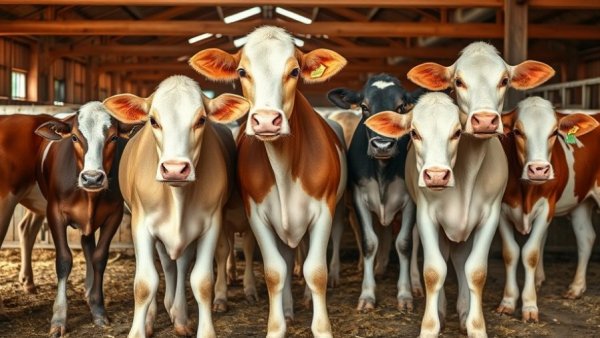
New Emergence of Bird Flu could Reshape U.S. Dairy Industry
The recent uptick in bird flu cases among dairy cattle in the United States is sending shockwaves through the agricultural community. States that hadn't previously seen infections are now reporting new cases, raising alarm among agricultural officials who urgently seek vaccine approvals. The situation revolves around the high-pathogenic avian influenza, known as H5N1, which has impacted poultry for years but has now begun to affect cattle. Experts believe that wild birds were the initial source of the infection, which then spread among cattle due to equipment and the movement of asymptomatic animals across state lines. This intermingling of poultry and livestock adds another layer of complexity to the crisis, as biosecurity measures are put to the test.
The Unfolding Crisis: Current Impact on Dairy Farms
As of now, at least 146 instances of dairy cattle infection have been reported, with over 1,200 cases dating back to when the outbreak began. Not only are states like Oklahoma and Oregon experiencing their first cases this year, but Colorado, Texas, Idaho, and Washington have also reported infections recently. This alarming spread of H5N1 among dairy herds threatens the stability of the agricultural sector, making it imperative for state and federal officials to take decisive action. The situation is exacerbated by the fact that many dairy farmers are grappling with financial strains caused by rising operational costs and market fluctuations, making this unexpected health crisis particularly challenging.
Health Risks and Urgent Calls for Action
The National Association of State Departments of Agriculture and the National Assembly of State Animal Health Officials have urged the USDA to prioritize developing and authorizing an emergency vaccine for dairy cattle. Cattle can develop short-term immunity to the virus but are at risk of re-infection, placing the dairy industry at further risk of disruption. The health risks to humans remain low overall; however, dairy workers who are in close contact with infected herds face a heightened danger. Unfortunately, the situation became tragic recently with a dairy worker's death in Washington state linked to the virus, raising questions about the protections in place for those who work directly with livestock.
Public Health Implications
While bird flu primarily affects birds, the spread to livestock threatens not only the livestock industry but also public health at large. The Centers for Disease Control and Prevention (CDC) has noted that the risk to the general public from H5N1 remains low, but the concerns for farmworkers are significant. Ensuring that dairy communities receive appropriate support and access to healthcare in these trying times is crucial. Some workers have expressed fears regarding their health and well-being amid the outbreak, coupled with their inability to seek medical attention due to looming immigration enforcement. The United Farm Workers union emphasizes that many farmworkers may be hesitant to report illnesses because of concerns about documentation and deportation.
Implementation Challenges for Vaccine Development
The path to developing a vaccine is fraught with regulatory hurdles. While the USDA recognizes the need for swift vaccine development and is supporting trials, the slow nature of the approval process complicates things. Experts warn that without a proactive extermination and vaccination strategy, H5N1 could become an endemic presence in U.S. dairy farming, impacting not just public health but also international trade and the economy. For example, last year, the U.S. government launched a $1 billion initiative focusing on poultry to stabilize egg prices, indicative of the financial stakes involved. The pressure mounts as officials know that not acting decisively could lead to widespread repercussions that hamper the future viability of dairy farming.
Perspectives from Agricultural Leaders
Voices from the agricultural community are calling for immediate assistance. Dr. Alex Hamberg, president of the National Assembly of State Animal Health Officials, emphasized the urgent need for tools and resources to protect the agricultural economy. "Veterinary and state government leaders need every available tool to protect the agricultural economy in their states and empower their farmers in combating this virus to protect their dairy herds and poultry flocks," he stated. Without federal backing, the ramifications for dairy farmers could be severe, leading to lasting impacts on domestic food production and market stability. The economic implications could ripple through local economies, affecting not just dairy farmers but also agricultural suppliers, transporters, and consumers.
Future Implications: What Lies Ahead for U.S. Agriculture?
As the situation evolves, stakeholders must prepare for the long-term implications of bird flu among dairy cattle. Experts predict that if urgent measures are not taken, we could face a protracted battle against this virus, necessitating ongoing management efforts in the livestock sector. Furthermore, should the virus persist and spread further, it could inhibit the U.S.'s ability to export dairy products, compromising a critical element of the agricultural economy. Meanwhile, as we navigate these challenges, it is vital for dairy workers and the broader community to remain informed and ready to respond to the evolving situation, which could potentially impact their livelihoods.
Conclusion and Call to Action
With cases continuing to rise and more states becoming affected, the urgency for vaccine development has never been higher. It's essential for agricultural officials, policymakers, and dairy workers to stay informed and engaged. Experts advocate for not only immediate vaccine approval but also for broader efforts to enhance biosecurity measures on farms to prevent further outbreaks. Have a story to share or want to contact us for more details? Drop us an email at team@kansascitythrive.com.






Write A Comment