






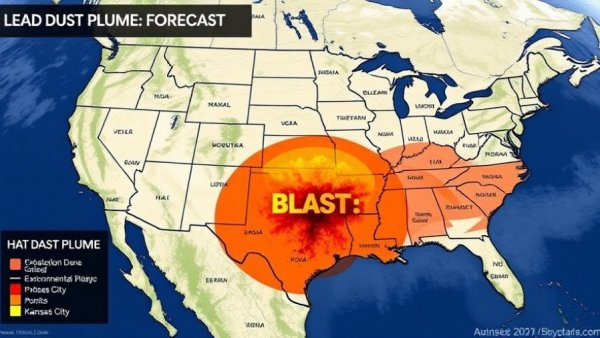
What Residents Need to Know About the Upcoming Detonation
The U.S. Army's recent announcement regarding the detonation of tons of bomb-making chemicals in Iowa has raised significant concerns among residents of Kansas City. While the controlled detonations are aimed at disposing of hazardous materials safely, the potential for winds to carry toxins into Missouri adds an extra layer of unease for local communities. Residents are understandably worried about what this could mean for their air quality and health. This situation highlights a larger issue of environmental safety, which is always a priority for families and individuals living in this vibrant urban area.
The Scientific Breakdown: Can Toxins Travel That Far?
Scientists indicate that weather conditions play a critical role in whether the chemicals could drift into Kansas City. Wind speeds and directions at the time of the explosion will determine how far these toxins might travel. Local meteorologists suggest that during certain weather patterns, substances could impact air quality in nearby areas. This raises the question—what should residents look out for regarding air pollution alerts?
Moreover, it's essential for residents to recognize that not all weather conditions will lead to the movement of toxins. The U.S. Environmental Protection Agency (EPA) has established standards that indicate safe levels of different airborne pollutants, and the range of those pollutants can vary based on the actual chemicals involved in this situation. Taking the time to understand both the science behind reported air quality and the specific substances involved can help demystify the challenges posed by such events.
The Importance of Community Awareness
As community members, staying informed about potential environmental health risks is crucial. The Army is set to conduct these detonations in a controlled manner, but individual vigilance can’t be overstated. Monitoring air quality reports and staying updated through local news can empower residents to make informed decisions about their daily activities. Understanding the potential impacts fuels community discourse, ensuring members know how to protect themselves. Additionally, engaging with local health departments and attending public briefings can bolster knowledge and address fears head-on.
Local Business Implications
Businesses in the Kansas City area may also feel a ripple effect from this detonation. As customers grow concerned about air quality and its implications for their health, businesses involving outdoor activities could see changes in foot traffic. Restaurants, sporting venues, and local events might experience a slowdown if residents choose to stay indoors during or after the detonation. Experts emphasize that businesses should consider proactive communication strategies. Informing customers about any health protocols or safety measures in place can reassure them that their well-being is a priority.
On the other hand, businesses that cater to the indoor market, such as cafes, shops, and entertainment venues, may want to consider special promotions or events to attract people looking for safe indoor activities. Flexibility and adaptability will be key for these establishments to navigate through this uncertain time.
Taking Action Together
Amidst these concerns, one thing is clear: community action is necessary. Ensuring residents are informed through workshops, neighborhood meetings, or social media campaigns can bridge the gap between local authorities and the residents most affected. Creating a collaborative environment allows residents to voice questions, concerns, and suggestions based on their unique experiences. Community leaders can play a vital role by organizing these activities and making sure everyone’s voice is heard.
Furthermore, connecting with local advocacy groups focused on environmental safety could provide residents with additional resources and support. This collaboration might strengthen community relationships while equipping citizens with practical ways to address environmental health concerns in the future.
Looking Ahead: Air Quality and Health Measures
In light of the upcoming detonation, the Kansas City Health Department has promised to monitor the situation closely. They’re working on strategies to communicate any changes in air quality promptly. Residents should stay tuned for advisories and be aware of how to access resources regarding their health and well-being during this time. Having a plan in place can alleviate some worries while ensuring that individuals remain safe and informed.
Local schools and childcare facilities are also encouraged to develop their own plans based on air quality reports. Keeping parents informed regarding safety protocols will foster trust and demonstrate a commitment to student health.
Conclusion: Stay Informed, Stay Engaged
This ongoing situation serves as a reminder of the importance of local engagement. It’s valuable for Kansas City residents to not only stay informed about these developments but also to share their thoughts. If you have a story to share or want to contact us for more details, drop us an email at team@kansascitythrive.com. By coming together, we can navigate this situation and emerge with clearer insights and stronger bonds within our community. Remember, active involvement and clear communication are essential in ensuring safety during unexpected events like this one. Let's support each other and keep Kansas City thriving, come what may!







Write A Comment