






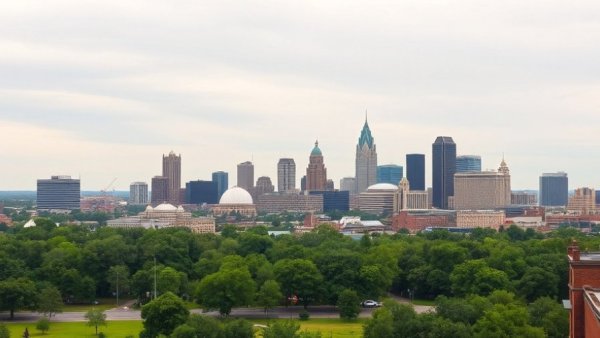
The Outlook for Kansas City’s Job Market in 2027
As Kansas City's economy continues to evolve, the job market is poised for steady, albeit slower, growth in 2027. The Mid-America Regional Council (MARC) provides an illuminating economic forecast that sheds light on the anticipated changes in the local labor landscape. Frank Lenk, the director of MARC's office of economic research, notes that despite job growth, broader demographic trends are influencing worker experiences and overall economic health. This information is crucial for local residents and business owners who need to navigate the upcoming changes effectively.
Analyzing Job Growth: Numbers and Trends
In the wake of relatively robust job additions—approximately 12,800 new jobs in 2026—Kansas City is now projected to add around 10,700 jobs in 2027. This gradual decline in growth signals a need for both workers and businesses to remain adaptable as they prepare for shifts in the market. The notable industries driving this momentum include healthcare and construction, with healthcare alone contributing to approximately 5,700 new roles expected next year. Recognizing these shifts can help both job seekers and employers focus on opportunity areas.
Biggest Players in the Kansas City Job Market
One might wonder which sectors of the Kansas City economy stand out as major employment providers. Currently, healthcare remains the largest employer, soaring to about 165,800 jobs as of August 2026. Following closely is the government sector with 148,800 jobs, and retail, accounting for 112,400 positions. Interestingly, while goods-producing industries like manufacturing and construction play significant roles, the service industry overwhelmingly dominates the landscape, representing roughly 1 million local jobs. The predominance of service-oriented positions showcases the city's shift towards a more service-centric economy.
Echoes of Growth: A Broader Economic Picture
The expansive growth in the Kansas City job market isn't just limited to healthcare and construction. Other sectors, including accommodation and food services, finance, and insurance, have also demonstrated notable job increases, reflecting a diversified economy. The varied landscape of job creation is crucial to providing stability when challenges arise within particular industries. When one sector faces struggles, others can compensate, ensuring job opportunities remain available. This diversification can be a reassuring factor for job seekers considering their next career move.
Challenges Ahead: Workforce Shifts
While Kansas City is adding jobs, a shrinking workforce presents a significant challenge. Between August 2025 and August 2026, the labor force decreased by about 12,300 people. This demographic shift suggests that while job openings might increase, attracting talent will be pivotal for sustained growth. Local businesses will need to ask themselves: how can they entice job seekers to fill the vacancies? Competitive pay, benefits packages, and fostering a positive work culture might be key components in attracting the right candidates.
Understanding Worker Sentiments amidst Growth
Even as growth continues, a crucial aspect to examine is why many workers feel left out of the economic boom. Lenk’s statement that "the (local) economy is doing well, but workers aren’t necessarily feeling it" highlights a disconnect between the statistics and personal experiences. Many local residents may be aware of increasing job availability, yet they might also face challenges due to rising living costs, which can overshadow the positives of job growth. It is essential for employers to be aware of these sentiments, as they can impact employee morale and engagement.
Looking Deeper into Workforce Sentiments
This disconnect between job creation and worker satisfaction is not unique to Kansas City but is present in economies nationwide. While the number of available positions grows, the increasing cost of housing, transportation, and basic necessities often erodes the perceived benefits of a new job. Residents might find themselves juggling multiple jobs or working longer hours just to keep up with expenses. This situation underlines the importance of addressing employee needs beyond just providing jobs; creating a supportive environment can foster lasting growth in the community.
Actionable Insights for Kansas City Residents
For those residing in Kansas City, there are numerous opportunities to capitalize on the evolving job market. As industries shift and new roles emerge, focusing on skill development in high-demand sectors like healthcare and technical services could prove advantageous. Local educational institutions and training programs can be invaluable resources for workers looking to pivot into new fields or enhance their current skills. Furthermore, local business owners can attract new talent by creating appealing work environments, offering competitive salaries, and prioritizing diversity and inclusion in their hiring processes.
Looking Forward: What Lies Ahead for Kansas City's Workforce
As we step into 2027, keeping an eye on industry trends will be imperative for both job seekers and employers. With evolving demands in the labor force driven by demographic changes, adaptability and innovation will play crucial roles. Employers and job seekers alike must remain vigilant and responsive to market shifts. By fostering a robust regional economy, combined with proactive workforce initiatives, Kansas City could enhance its standing not just as a growing job market but as a leader in community development. This commitment to progress will ensure that the economic growth translates into tangible benefits for all residents.
Have a story to share or want to contact us for more details? Drop us an email at team@kansascitythrive.com







Write A Comment