







What Makes La Bola Negra a Visual Masterpiece?
La Bola Negra, directed by the talented duo Javier Ambrossi and Javier Calvo, is undoubtedly a visual treat. With its operatic beauty and tragic narrative, it engulfs viewers in a sumptuous visual experience that feels almost like a painting coming to life. The symmetry between Goya's classical art and the somber backdrop of the Spanish Civil War creates a palpable tension that resonates deeply with audiences. Dramatic landscapes and vivid colors combine to create stunning visuals, adorned with lavish costumes that transport viewers to another era. Each frame is infused with emotion, capturing the essence of love, despair, and history intertwined. But while these stunning visuals ensnare our senses, it's essential to acknowledge that a movie's impact stretches far beyond just what meets the eye.
Connecting with the Roots of Spanish History
For those unfamiliar with the Spanish Civil War and the subsequent 40-year dictatorship under Francisco Franco, the film may feel distant, as if viewed through a glass wall, as noted in some reviews. This disconnect raises an important point about historical context and viewer engagement. La Bola Negra invites Spanish audiences to reconnect with their past, exploring the lingering scars left by the conflict and dictatorship, but may leave international viewers somewhat detached from the emotional weight of the narrative. This raises the intriguing question: can universal themes of love and loss bridge the gap between diverse historical experiences? The film attempts to balance cultural specificity with broader emotional resonance, but success varies from viewer to viewer.
Stories Intertwined: What Do They Reveal?
Each of La Bola Negra's three threads—Sebastián's military struggles, Carlos's exploration of identity, and Alberto’s contemporary reckoning—offers rich narratives deserving of exploration. Sebastián's storyline is rooted in the tragic reality of war, capturing his journey of survival and love under dire circumstances. Meanwhile, Carlos’ arc, set against the vibrant backdrop of 1930s Granada, serves as a powerful commentary on societal repression and the quest for belonging. It addresses themes of sexuality and identity that resonate not only in Spain but in many parts of the world today. Despite the strong visuals, this narrative feels truncated, as the storytelling lacks coherence for those outside its cultural sphere, leaving the audience wanting more connection and resolution. Moreover, Alberto's contemporary perspective highlights the ongoing influence of historical trauma on today's society, urging viewers to reflect on how the past shapes personal identities and relationships. The way these stories connect to each other (particularly Sebastián and Alberto) is intriguing enough to keep anyone engaged. However, the film sometimes struggles to seamlessly weave these narratives together, leading to moments where viewers may feel disoriented. This fragmentation potentially undercuts the emotional payoff that could arise from a more cohesive storytelling approach.
Why Does Culturally Specific Storytelling Matter?
The film’s culturally specific subject matter presents a unique challenge—can narratives that resonate deeply with a local audience still hold significance for the broader global community? Films often become bridges for understanding different cultures; yet, La Bola Negra's tightly knit context might deter non-Spanish viewers. This highlights the critical balance filmmakers must strike: appealing to local pride while not alienating potential international fans. It prompts a larger conversation about the roles filmmakers play in their communities and how their work can be received on the global stage. Will local narratives become lost in translation, or can they find a universal language?
Local Connections: What Can Kansas City Learn?
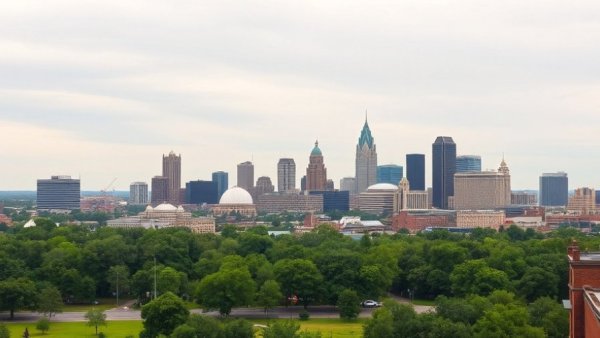
As Kansas City embraces its diverse cultural landscape, the themes presented in La Bola Negra resonate on a local level. The exploration of identity, history, and societal pressures mirrors the experiences of many within our community, where stories of love, struggle, and heritage unfold daily. From local LGBTQ+ narratives to the historical significance of various communities within Kansas City, parallels can be drawn from La Bola Negra’s intricate storytelling. Our local filmmakers and storytellers can take cues from such pieces, intertwining cultural narratives that also reflect broader themes that anyone can connect with. By highlighting both the distinctiveness and commonality of personal experiences, Kansas City can foster deeper connections among its residents and celebrate the rich tapestry of its own history.
Rethinking Viewership: Is Mainstream Cinema Failing Us?
La Bola Negra challenges viewers to confront their own understandings and biases. As we critique mainstream films, are we missing the opportunity to appreciate diverse storytelling? This brings forth a significant point—aren't well-crafted narratives worthy of our attention, even if they diverge from familiar cultures? Perhaps this is an invitation for audiences, both local and global, to expand their viewing choices and seek out works that challenge their perspectives. By viewing cinema through a broader lens, audiences can cultivate a deeper appreciation for the unique experiences and histories that shape narratives around the world. Engaging with stories that are not easily relatable can lead to greater empathy and understanding, which are valuable in today’s increasingly interconnected society.
Engage, Share and Connect with Your Stories!
La Bola Negra illustrates that filmmaking is an important tool for cultural expression and reflection. Whether through grand narratives or intimate explorations, every film has the potential to foster understanding and connection. Kansans interested in local cinema, art, and historical explorations should dive deeper into these narratives. For those with stories of their own or questions about local cultural events, outreach opportunities abound through local community centers and cultural organizations. We encourage you to explore and engage with the diverse stories in our midst—each has the potential to contribute to the rich cultural conversation of Kansas City. Reach out at team@kansascitythrive.com and share your own experiences and aspirations for our vibrant community!





Write A Comment