






What Impeachment Means for America's Political Landscape
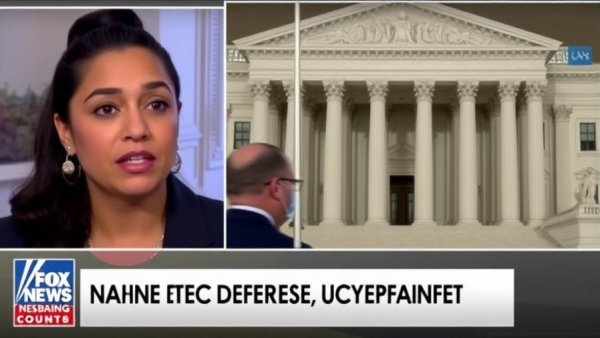
The political climate in the United States is more charged than ever, particularly following Rep. Alexandria Ocasio-Cortez’s (D-NY) remarks suggesting the possibility of impeachment for Supreme Court justices. This statement, made during a recent CNN interview, reflects a growing sentiment among some Democrats who believe that the Supreme Court has legitimized actions they view as presidential misconduct. As the political battle intensifies, it is imperative for citizens to understand the potential implications of such bold statements and actions.
A Closer Look: Context Behind AOC’s Remarks
Ocasio-Cortez emphasized that impeachment is a viable option and alluded to the many investigations that lie ahead following substantial Democratic victories in the recent midterm elections. Her statement came in response to a question on whether Democrats would consider impeaching members of Trump's cabinet, highlighting a potential shift toward aggressive legislative confrontation against an administration she and her allies criticize as rife with criminality.
This transformation, marked by calls for impeachment, could not only reshape judicial relationships in the US but may also set a precarious precedent for future administrations. Experts have underscored that such drastic measures can create a cycle of retaliatory political warfare, fueling division rather than fostering bipartisanship. The notion of impeachment has evolved from a last resort into a tool for political maneuvering, serving as both a cautionary tale and a galvanizing call for those who feel wronged by the powers at play in Washington.
Political Repercussions: The Republican Response
In a parallel political reaction, House Minority Leader Jim Jordan (R-OH) voiced strong opposition to the idea of impeachment. He argued that Democrats are pursuing what he refers to as 'lawfare,' targeting political opponents indiscriminately—a sentiment that resonates with many in the Republican base. According to Jordan, the incoming Democratic majority aims to scrutinize virtually every action of the current administration, which could lead to endless political battles across various committees.
This reflects a fundamental conflict in American politics, where differing interpretations of the law serve as a battleground. It's crucial for residents in Kansas City and beyond to understand these dynamics as they impact not only national legislation but local governance and community engagement. Political leaders and representatives must navigate these waters carefully, considering how their actions reverberate throughout communities that often feel the effects of federal legislation first-hand.
The Local Connection: Understanding the Impact on Kansas City
For local residents and business owners in Kansas City, the implications of these national actions could resonate at a grassroots level. Political decisions in Washington can influence issues such as funding, policy direction, and overall community well-being. For example, government funding for infrastructure projects or small business assistance programs can often hinge on the political climate and the priorities of those in power. Both Democrats and Republicans need to consider how their strategies resonate with constituents who navigate the immediate challenges of daily life—building businesses, securing jobs, and fostering community relations.
The potential for intensified political discourse can affect local businesses reliant on stability and predictability in government. If contentious political climates lead to legislative gridlock, local entities might find themselves in a limbo that affects everything from hiring practices to customer engagement. As residents, staying informed about these developments can empower local decision-making and foster a more engaged citizenry prepared to advocate for their needs.
The Media's Role in Shaping Public Perception
The media also plays a crucial role in shaping public perception about these events. Outlets have differing viewpoints, contributing to the polarized atmosphere in America today. For instance, conservative platforms may frame Ocasio-Cortez’s statements as radical, while liberal outlets might interpret them as a necessary response to perceived injustices. How these narratives are constructed and communicated can deeply influence how citizens across the country—including those in Kansas City—perceive the efficacy and appropriateness of proposed actions like impeachment.
Furthermore, local news coverage is essential in bridging the national dialogue with community-specific concerns. As issues unfold in Washington, local media can help contextualize those events, making them more relatable and highlighting their implications for everyday life in Kansas City.
What Lies Ahead: Future Predictions and Opportunities for Change
As we look forward, the prospect of impeachment discussions raises questions surrounding governmental ethics and accountability. Will future administrations feel emboldened to act without fear of legislative repercussions, or will a newfound accountability reshape ethical standards across political lines? This uncertainty poses significant implications for the future of governance in the country.
Moreover, the rise of such divisive political rhetoric necessitates a more informed and proactive electorate. Learning to navigate this complex landscape is crucial for every citizen. In a world where social media amplifies messages—be it through platforms like Fox News, MSNBC, or even Vanity Fair—understanding the broader picture and various perspectives is vital. We must strive to equip ourselves with knowledge, ensuring that we are not just passive consumers of media, but active participants in our democracy.
Concluding Thoughts: A Call for Civic Engagement
In conclusion, the pressing need for transparency and accountability in politics has never been more urgent. As Ocasio-Cortez shows a willingness to explore all options, citizens must remain vigilant and engaged. Political discourse should not be an isolated discussion in Washington; instead, it must foster local conversations that encourage active participation from every citizen. The actions of our representatives have a direct correlation to local issues such as economic opportunity, public health, and civic engagement.
If you have thoughts or experiences related to this dynamic political climate, we encourage you to share your story. Reach out to us at team@kansascitythrive.com. Let’s cultivate informed debates that resonate beyond party lines, ultimately strengthening our communities.






Write A Comment