






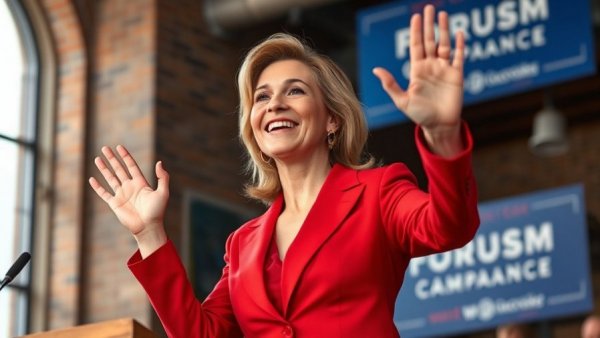
Cindy Holscher's Historic Victory in Kansas
The state of Kansas has taken a significant step forward with the recent election of Democrat Cindy Holscher as its next governor. This election is more than just a local event; it reflects a broader trend of Democratic wins across the United States during the latest blue wave midterm elections. Holscher managed to fend off a strong challenge from Republican Ty Masterson, the state Senate president, a feat that speaks to the evolving political landscape in traditionally conservative regions.
A Message from the Voters
"Kansans have sent a clear message that they want to keep our state moving forward," Holscher declared shortly after her victory, solidifying her commitment to address voters' needs and concerns. This result marks a pivotal moment in Kansas' political history, historically noted for its Republican dominance. It is crucial for residents and business owners in the Kansas City area to pay attention to how Holscher's approach to governance will shape both the economic and social fabric of their communities.
The Political Climate and Challenges Ahead
Holscher's campaign capitalized on pressing issues, including a moratorium on building new data centers for artificial intelligence, a crucial topic that resonates with voters concerned about resource management. Additionally, her emphasis on sustainable development highlights the concerns many residents have over energy consumption and water resource allocation in the face of expanding technology. As she steps into her new role, Holscher will need to address pressing matters such as property taxes and public safety—issues that Masterson campaigned heavily on. Her victory indicates a desire for change among citizens who may feel overwhelmed by the pace of development and demand for local job creation amid rapid technological advancements.
The Ripple Effect of Holscher's Victory
The impact of Holscher's election stretches beyond the governorship. Kansas Democrats did not just retain a crucial office; they secured other noteworthy victories, such as the election of Adam Hamilton to the U.S. Senate—the party's first Senate win in Kansas since 1932. This historic change in the Senate could open doors for discussions around progressive policies at the national level, reflecting a shift in voter attitudes. Furthermore, the results also included Chris Mann's defeat of Attorney General Kris Kobach, a move that could significantly shift state policies toward more progressive stances on voting rights and education. Such victories could signal a transformation in the state's political arena, emphasizing the increasing desire for reform among Kansas voters.
Local Businesses: Opportunities and Challenges
For local businesses in Kansas City, Holscher's administration presents both opportunities and challenges. With a focus on economic development that prioritizes local employment and citizenship engagement, business owners may find new avenues for collaboration with the state government. Holscher's policies may encourage businesses to create jobs that align with the state's vision, potentially leading to an uptick in local spending and support. However, they should also prepare for potential adjustments in regulations, especially regarding technology and resource management. The anticipation of new policies could stimulate innovation among local businesses but might also lead to a period of adaptation as changes roll out. Keeping an open line of communication with local leaders and understanding the evolving landscape will be vital for business success.
A Historic Moment in Time: Reflecting on the Election
As Kansas embarks on this new political chapter, it's important to reflect on the historical conditions that led to Holscher's rise. This election comes during a period where voters are increasingly aligned with Democratic policies, suggesting a shift in how residents view governance. In Kansas, where tradition held firm for decades, this election marks a turning point that could shape local and national politics for years to come. The changing demographics and sentiment within the state indicate that many residents are reevaluating what leadership means to them and what they want their representatives to prioritize.
Join the Conversation
The election of Cindy Holscher as governor signifies more than just a single political win; it is a loud and clear statement from the electorate seeking change. As she prepares to take office and feel the pulse of Kansas, residents and stakeholders should stay engaged and informed. For anyone in our community wishing to contribute, share insights, or learn more about this pivotal moment, let's engage in a dialogue that will shape our future. The implications of this election will likely resonate throughout the state for many years ahead, influencing policy decisions and the direction in which Kansas will head.
Have a story to share or want to contact us for more details? Drop us an email at team@kansascitythrive.com.






Write A Comment