





A Major Setback for Tech Giants: Understanding the Voter Rejection of Data Centers
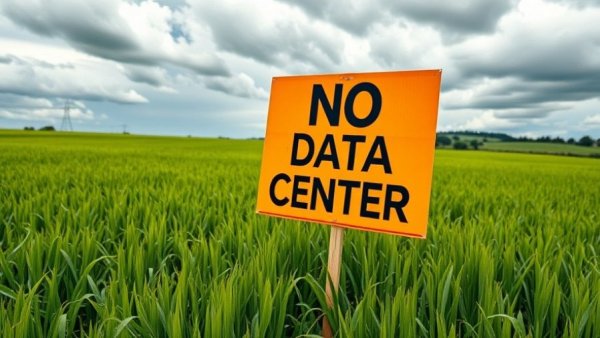
In a significant turn of events during the recent midterm elections, voters across the United States decisively rejected nearly 50 ballot initiatives concerning AI data centers. This overwhelming opposition poses a substantial challenge to tech giants like Elon Musk and other proponents of the extensive buildout of data storage facilities. According to data compiled by Ballotpedia, local voters turned down measures in 47 out of 50 initiatives aimed at either permitting or restricting these data centers, with the scope of these projects now under increased scrutiny.
The Ohio Ground Zero of Data Center Rejection
The most pronounced rejection occurred in Ohio, where 21 ballot measures related to the construction of controversial AI data centers were presented. Democratic Senate candidate Sherrod Brown leveraged this topic as part of his successful campaign, branding Republican opponent Jon Husted as emblematic of the push for unchecked data center growth. This incident suggests that the political landscape is shifting in response to public sentiment, especially concerning environmental and infrastructural impacts. The high-profile nature of the ballot measures brought the issue to the forefront of voters’ minds, driving many to express their concerns about how expansive data centers could impact local communities.
Political Ramifications and Regulatory Implications
With the Democratic Party gaining significant control following the elections, the results of these ballot measures could drive new legislative initiatives aimed at regulating data centers more stringently. Experts like Ed Mills from Raymond James highlight that such overwhelming voter disapproval gives Congress members a clear signal to advocate for regulation. Notably, Texas Gov.-elect Gina Hinojosa has already called for a moratorium on new data center projects, citing the need to protect local power grids. This development indicates a wider political acknowledgment of the realities and challenges surrounding artificial intelligence and data infrastructure. It raises questions about how best to balance technological advancement with community welfare.
Public Sentiment and the Future of AI Infrastructure
The rejection of data center projects resonates with a broader public concern regarding the future of AI technologies. As many local communities express trepidation over the environmental and economic impacts of these centers, tech executives such as Meta’s Mark Zuckerberg and OpenAI’s Sam Altman may find themselves under increased scrutiny. The resistance is not merely a local issue; it could signal the onset of a nationwide movement against unchecked technological expansion. Voters, particularly in areas that could see significant data center development, have voiced their fears regarding increased energy consumption, potential job losses in local industries, and the environmental footprint of these sprawling facilities.
Signs of Change in Local Politics
Democratic Rep. Greg Casar has suggested that the pushback against data centers marks the beginning of a larger shift in political discourse concerning technology in America. Casar’s remarks reflect the emerging argument that AI company CEOs may need to face congressional hearings, underscoring the potential for regulatory frameworks that may redefine how technology companies operate within communities. For Kansas City and its surrounding areas, this shift is crucial, as the local economy is increasingly reliant on technology-driven enterprises. Developing a collaborative dialogue between tech companies and local communities will be fundamental in shaping future regulations.
The Future is Tenuous for Data Centers
As AI technology develops, the future of data centers remains highly uncertain. Elon Musk has even hinted at exploring space data centers as an alternative, indicating a shift in method rather than a retreat from the growth of data storage facilities. However, without public support and a clear regulatory framework, these aspirations may face significant hurdles. The backlash against data centers clarifies that public acceptance must be earned through transparency and community engagement. Kansas City may serve as a case study for how to navigate this landscape, as the city balances innovation with the concerns of its residents.
Public Engagement: What Comes Next?
As the debate over data centers continues, local residents and businesses in Kansas City, as well as across the nation, will need to engage actively in discussions about development. This is an opportunity for them to voice their concerns and preferences regarding the impact of these entities on their communities. Workshops, community forums, and town hall meetings could serve as platforms for such discussions, fostering a dialogue where both tech companies and local residents can express their needs and apprehensions. It is vital for businesses, especially those relying on technological advancement, to advocate for smart growth, emphasizing both innovation and sustainable practices.
By taking an active role in these discussions, residents can influence what the future looks like for Kansas City and ensure that developments align with the community’s values and priorities. Will these centers create jobs, or will they lead to environmental degradation? Should regulations be tightened, or do we welcome the new technology with open arms? The outcomes will define the landscape of Kansas City in the years to come, making it crucial for every voice to be heard.
If you have a story to share or want to contact us for more details, drop us an email at team@kansascitythrive.com.







Write A Comment