






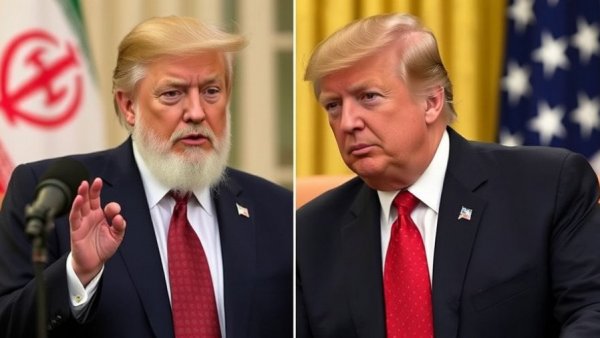
The Power of Sanctions: A New Chapter in U.S.-Iran Relations
The Trump administration's recent sanctions against Iran represent a significant escalation in economic pressure aimed at crippling the Iranian regime. Dubbed Operation Economic Outcast, these comprehensive measures target a series of financial networks and individuals accused of facilitating Iran's ability to engage in international trade and recover earnings. This move comes at a time when Iranian leaders find themselves increasingly vulnerable, with U.S. naval blockades effectively paralyzing their oil exports—a major lifeline for their economy.
Iran's Economic Struggles: A Descent into Crisis
Treasury Secretary Scott Bessent's assertion that Iran's economy is “underwater” reflects a dire reality confronting the nation. The newly imposed sanctions have been described as aiming to dismantle Iran's shadow banking system, arguably its last financial avenue. According to investigative reports, approximately $14.7 billion in transactions linked to these illicit networks were identified between 2025 and 2026, illustrating the scale and sophistication of Iran's multi-faceted financial maneuvers.
As the sanctions take hold, the impact on Iran's economy cannot be overstated. With limited mechanisms to access international financial markets, Iran's economy is facing a crippling shortage of foreign exchange, which complicates its ability to import essential goods and services. This situation exacerbates existing challenges like inflation, which continues to spiral, making basic commodities unaffordable for many Iranian families.
The Human Toll: How Sanctions Affect Everyday Iranians
While these sanctions are designed to hold the Iranian regime accountable, they come with significant consequences for the Iranian populace. As stated by Iranian President Masoud Pezeshkian, the economic pressures have become a silent battle more challenging than conventional military conflict. As people struggle to make ends meet amid rising prices and scarcity of goods, there is concern that the economic stranglehold could trigger widespread unrest, as frustrations grow.
Reports indicate that many families in Iran are facing unprecedented hardships, leading to an increase in poverty rates. Health care resources are dwindling, and rising unemployment has forced many skilled workers to seek opportunities abroad. The emotional toll is palpable; individuals who once shared hopes for a vibrant economic future are now burdened by uncertainty, leaving many to question the long-term viability of their livelihoods.
The Geopolitical Landscape: Friends and Foes
The new sanctions also impact Iran’s connections with global allies. Countries like Turkey, the United Arab Emirates, and even Russia are closely tied economically to Iran and may also face pressure from U.S. authorities. The Treasury's focus on these transnational networks emphasizes how geopolitics informs local economies, particularly for businesses in the Kansas City region that may engage with international partners.
For Kansas City businesses, the implications of these sanctions can be far-reaching. Importers and exporters need to monitor how Iranian enterprises interact with global markets, as ripple effects from the sanctions can influence their own supply chains and pricing strategies. Understanding these dynamics is crucial for local businesses looking to adapt to the changing economic landscape.
What This Means for Kansas City Residents and Businesses
Local enterprises that engage with international markets—perhaps through imports, exports, or partnerships—should remain vigilant. As sanctions reshape the global economic landscape, especially relating to Middle Eastern partners, businesses must adapt strategically. While direct effects may not be immediately visible in Kansas City, the ripple effects of global economic shifts can influence local markets, prices, and consumer behaviors.
Moreover, local residents need to remain informed about geopolitical developments, especially if they have connections to the international marketplace, whether through travel, trade, or family networks. As the situation unfolds, individuals may need to reassess their spending habits and investments in the context of a potentially turbulent global economy. The current environment calls for a discerning approach to international engagement, emphasizing the importance of understanding where one's products or services originate.
Looking Forward: Predictions and Opportunities
As the Trump administration continues its aggressive stance against Iran, it is essential to consider potential outcomes. With the Iranian regime's capabilities further restricted, new opportunities may emerge for U.S. businesses. For local Kansas City enterprises, aligning with more resilient markets could present a pathway for growth. As other trade partners experience increased pressure, U.S. businesses may find avenues to fill gaps in global supply chains.
However, local entrepreneurs must be cautious and keep abreast of changes in international policies, especially if tensions escalate further. Being prepared to pivot quickly will be essential in this unpredictable environment. In this climate, fostering relationships with more stable trade partners may become increasingly crucial. This adaptability could allow Kansas City businesses not only to survive but also to thrive amid uncertainty.
Ultimately, while the U.S. sanctions aim to achieve political goals and stabilize the Middle East, the ongoing situation in Iran serves as a reminder of the interconnectedness of our global economy. For residents and businesses in Kansas City, being informed about the implications of these changes is more critical than ever. As economic ties continue to change, local communities will need to stay engaged and responsive to evolving dynamics.
Have a story to share or want to contact us for more details? Drop us an email at team@kansascitythrive.com.






Write A Comment