





Federal Response to Illegal Voting
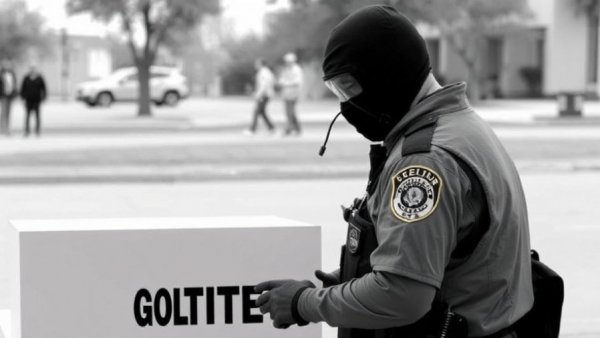
In a dramatic move to restore faith in the electoral process, the federal government is cracking down on illegal voting as the 2026 midterms loom closer. The message is crystal clear: illegal voting will no longer be tolerated. Recently, federal agents launched Operation Ballot Shield, aiming to identify and arrest migrants who have participated in elections despite not being eligible to vote. This initiative is seen as part of a broader strategy to deter illegal electoral practices across the nation, reflecting a commitment to uphold the integrity of the democratic process.
The Controversy Around Voter Arrests
Following a series of high-profile arrests, including 63 individuals charged with illegal voting and fraudulent registration, the response has sparked considerable debate. Advocates like William Gheen, founder of Americans for Legal Immigration PAC, commend the government's efforts as essential to protecting the integrity of American elections. "The feds are sending a message," said Gheen, emphasizing the significance of these actions in restoring faith in the electoral system. However, opposition from Democrats has emerged, leading to lawsuits being filed in various states, including California. These legal maneuvers aim to prevent federal overreach and protect the rights of voters, showcasing a divide in how different parties view electoral integrity and access to the ballot box.
Political Machines and the Urban Vote
The tension surrounding illegal voting runs deep, with Republicans accusing Democrats of leveraging urban political machines to harness the voting power of immigrants. Gheen argues that this strategy has been in play for over two decades, incrementally expanding as Democrats build coalitions in urban regions. “They’re using it to magnify their urban population city Democrat machine vote, and to give them the extra census and redistricting weight,” he states, illuminating a systemic issue impacting electoral dynamics. This practice not only affects policy but signifies a shift in demographic power that local businesses and residents in cities like Kansas City must navigate.
Reactions from the Downtown Business Community
Local businesses in cities like Kansas City are closely monitoring these elections, recognizing the potential repercussions illegal voting might have on their ability to attract customers and thrive. A fair electoral process is crucial for maintaining community trust, which can influence client decisions and perceptions of local governance. As voters express their concerns regarding the electoral process, businesses are keen on ensuring their communities feel confident that their voices are represented accurately. The local economy thrives when citizens engage in civic duty honestly, and many business owners advocate for measures that enhance voting integrity.
The Role of Local Organizations
In the face of ongoing controversies, local organizations and civic groups are stepping up to educate voters about their rights and engage them in discussions about electoral integrity. These initiatives aim to empower citizens, encouraging them to participate actively in the electoral process while being aware of the regulations that govern it. Informative campaigns can help demystify the voting process and ensure that everyone understands what constitutes legal voting. This can be particularly beneficial for new residents and immigrants, who may face challenges navigating the ballot system.
Looking Ahead: The Future of Electoral Integrity
As the nation grapples with these challenges, the future of electoral integrity remains uncertain. The actions taken by federal agents signal a new era of enforcement that could shape the political landscape significantly. With both sides of the aisle engaged in a battle over voting rights and voter integrity, many are left wondering what lies ahead. Some experts predict that the political climate will continue to be tense, with future elections likely to be influenced by ongoing legal battles and the evolving strategies of political parties to gain an advantage at the polls.
What Communities Can Do
Communities can play an active role in shaping the conversation around electoral integrity. Residents are encouraged to voice their concerns and get involved in civic discussions by attending local town hall meetings or organizing community forums on voting issues. Furthermore, local outreach efforts to educate voters will be instrumental in ensuring participation while maintaining the integrity of the electoral process. Engaging with neighbors and forming coalitions can lead to more informed voters who understand the importance of every ballot cast—especially in locales where the stakes feel particularly high.
Call to Action
If you have thoughts or a story to share about the electoral process and its impact on our community, we want to hear from you. Drop us an email at team@kansascitythrive.com and contribute to the conversation! Your voice matters, and together we can work towards ensuring that our electoral system remains fair and just for everyone in Kansas City.
Conclusion
The current landscape of electoral integrity reflects deeper societal issues that resonate throughout local communities, impacting everything from business to individual rights. The ongoing dialogue surrounding illegal voting and enforcement measures illustrates a pivotal moment in American democracy that invites active participation from residents. The future of fair elections ultimately hinges on the commitment of communities to uphold democratic values while navigating complex political terrain.





Write A Comment