






Trump's Controversial Detonation Decision: Explosive Consequences Ahead
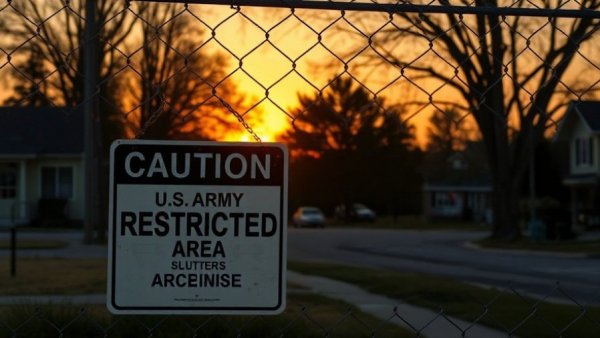
In a move that has garnered national attention, President Donald Trump has declared that a planned detonation of lead azide at the Iowa Army Ammunition Plant will not proceed unless agreed upon by a federal court and the state’s newly elected governor, Rob Sand. This decision comes after environmental groups raised alarms regarding the potential impact of the detonation on public health and safety, highlighting significant community concerns that resonate throughout the region.
Originally set for November 20, the detonation of 9,700 pounds of lead-based explosives has been fraught with controversy. Environmental advocates, including organizations like the Iowa Environmental Council and the Sierra Club, have vehemently opposed the plan, citing significant risks of lead contamination in the surrounding areas. Their lawsuit highlighted crucial concerns about toxic dust that could spread across residential properties and public spaces, making the stakes extraordinarily high for local communities, particularly those with vulnerable populations, such as children and the elderly.
In a post on social media, Trump emphasized the importance of involving the incoming governor in the decision-making process, stating, "I feel the proper course is to get rid of this long-term problem but, at the same time, have ordered the Military not to do so until such time as the Eighth Circuit agrees that we can go forward." His phrasing suggests the administration's intent to shift some of the responsibility for any fallout from this detonation onto the incoming Democratic government, a strategic maneuver that highlights the complexities of governance amid environmental crises.
The Role of the Courts and Environmental Concerns
The federal Eighth Circuit Court issued an administrative stay against the detonation just days before it was scheduled to occur. This pause came in response to mounting concerns from environmentalists about the ramifications of the controlled explosion. The U.S. Justice Department stood firm in arguing that the controlled detonation is, in fact, the safest method to deal with the waste, arguing, "It is between a planned detonation (timed for favorable weather, preceded by public notice) and an unplanned explosion that could come at any moment." This highlights the complexities involved in managing hazardous materials, as the Army must balance safety with regulatory requirements and public health considerations.
The Attorney General's office has emphasized that every alternative option to detonation could lead to far more dangerous outcomes, particularly if the lead azide were to become unstable. This presents a complicated situation for both the Army and local authorities; while the agency seeks to ensure safety, the transparency surrounding the operation’s details is critical. As communities grow increasingly skeptical of governmental claims in the wake of environmental disasters, the demand for accountability becomes more prominent.
Communicating Risks: The Governor’s Stance
Rob Sand, Iowa's incoming governor, has taken a cautious approach, opting for greater transparency from the federal administration. He has made it clear that the decision should be driven by the facts and assessments presented by experts on the ground. Sand’s request for information underscores a community that demands accountability and clarity amidst conflicting narratives from Washington.
In a post on social media, he stated, "Everyday Iowans are entitled to know how Middletown came to this situation," stressing the need for detailed, public-facing discussions about health and safety risks. His position illustrates a growing demand among citizens for more communication and engagement from government representatives, aiming to build trust and ensure community welfare amid environmental decisions that could have lasting effects.
Moreover, local residents have expressed their concerns, fearing the potential impacts on air quality and public health. Many have taken to community forums to voice their apprehensions and seek answers from both state and federal authorities. These discussions are essential, as they foster a collaborative spirit in seeking solutions that prioritize public safety over political expediency.
Moving Forward: Ensuring Accountability in Environmental Issues
The impending decision regarding the detonation raises essential questions about accountability and community safety not just in Iowa, but nationwide. What measures are being taken to protect the public’s health? How can federal agencies ensure that environmental considerations are given precedence over quick fixes? As previous incidents across the nation illustrate, failures in communication and proactive measures surrounding environmental hazards can lead to long-term health implications.
Moreover, the controversy reminds us that the intersection of politics and environment often requires careful navigation. Emerging leaders and community stakeholders, including state legislators and environmental organizations, must advocate for policies that protect public interest while weighing practical solutions to hazardous waste management. It is crucial for affected communities to actively participate in discussions and decisions that impact their health and environment. This includes attending town hall meetings, reaching out to elected officials, and leveraging social media to voice concerns.
Conclusion: The Wider Implications
The unfolding situation in Iowa serves as a pivotal case study in military environmental management, policy transparency, and governmental responsibility. As President Trump waits for judicial and local governmental approval, citizens are placed in an uncomfortable position, caught between national directives and local health implications. It is a scenario that underscores the necessity for clear dialogue and evidence-based policymaking.
For those impacted by this debate or who possess insights regarding the situation, your voice can contribute to shaping a more informed community. The power of public opinion can significantly influence decision-making processes when it comes to environmental issues that concern entire communities. Have a story to share or want to contact us for more details? Drop us an email at team@kansascitythrive.com.






Write A Comment