





A Shocking Scam Rocks Sonoma Women's Festival
A recent incident of deception has left women's organizations and local businesses in Sonoma County outraged after a fraudulent Wine Country Women’s Festival attempt surfaced, using AI-generated advertisements effectively to lull potential vendors into a false sense of security. Promising communal engagement and support for women, misrepresentations of the event even fooled local town officials before suspicions rose.
What Happened to the Festival?
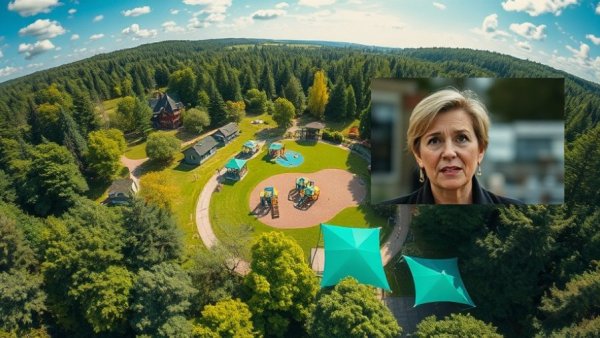
The festival, positioned to foster local businesses and celebrate women's empowerment, was set to occur in the picturesque Keiser Park, nestled in the heart of Windsor, a town known for its beautiful vineyards and community spirit. Yet, behind its seemingly vibrant marketing campaign was an alarming reality. AI-generated social media ads, along with a charming yet fraudulent website, touted partnerships for businesses and nonprofits.
Tickets ranging from a modest $79 booth fee to $185 for premium showcase partners incited local groups to invest, believing they were contributing to an empowering event. Unbeknownst to vendors, their investments were aiding a scam artist steering the event in the shadows. Claims of insurances and early organizer actions filled with legitimacy crumbled as local vendors began investigating the event’s authenticity.
Local Reaction: A Community in Outrage
The deception did not go unnoticed. Local residents, like Mary Orellana—the owner of Lovey Coffee Company—and Hilary Richards of She Can Club, took to the streets and social media, pushing for answers and drawing attention to what they deemed bureaucratic negligence. Complaints multiplied as victims emerged, with some vendors reporting losses and expressing their frustration over the inconspicuous lack of oversight from local authorities.
In a heart-wrenching recount of the event planning process, Orellana disclosed how late-night investigations revealed the festival's dubious nature. “We tried contacting event planners, and we didn’t receive any return to our phone calls or emails,” she lamented. Meanwhile, as local police began to receive reports of fraud, residents found themselves rallying together to shed light on the scam. Their united efforts signified a commitment not only to accountability but also to community solidarity.
Understanding the Community Impact
The fallout from this scam has ripple effects throughout the local economy, particularly as many small businesses rely heavily on community events for revenue generation and visibility. Local vendors typically depend on events like the Wine Country Women’s Festival to connect with potential customers and showcase their products. The disruption not only impacts those who paid under false pretenses but also casts a shadow on future legitimate events. Trust is a fragile commodity, and incidents like this threaten to undermine the confidence that locals place in community-focused gatherings.
The Broader Implications of AI Utilization
This incident raises concerns related to the misuse of AI technologies that are rapidly becoming prevalent in today’s marketing landscape. As businesses increasingly turn to AI for advertising, the fine line between innovation and deception blurs. While AI presents many advantages in terms of efficiency and creativity, this case highlights potential vulnerabilities and the ease with which individuals can exploit these advancements for unethical purposes.
The repercussions of this situation extend beyond the immediate losses for vendors. It raises questions about community resilience, the role of local governance, and the responsibility of online platforms in safeguarding users. The AI-generated content, while modern and often beneficial, also presents an arena for negative exploitation that requires vigilance from both local governments and citizens alike.
Communities Rallying Against Deceit
In the face of adversity, however, Sonoma residents are demonstrating formidable strength. With vendors like Orellana and Richards leading the charge, grassroots efforts to reclaim trust within the community are underway. They not only aim to raise awareness about this particular scam but also to develop structures that prevent future occurrences through education and communication. Their concerns underscore the critical need for accountability to align with technological advancements in local governance.
The women’s efforts emphasize a collective resiliency, creating a space for dialogue and response against such fraudulent attempts. Whether through organized meetings or social media campaigns, community members are mobilizing to ensure their voices are heard and their experiences validated. As more voices join the conversation around accountability and vigilance, community empowerment becomes a focal point, showcasing how cooperation can drive positive change.
Moving Forward: Actionable Steps for Local Businesses
As local vendors reassess their engagement with events and promotions, several steps can be taken to safeguard their investments. First, businesses should seek to verify events through official channels before committing funds, ensuring that organizers have the necessary permits and insurance. Furthermore, local groups could benefit from creating a network for sharing suspicious advertisements or events to foster a proactive community response.
Additionally, community-led initiatives aimed at educating vendors about recognizing scam behaviors can bolster defenses against future exploitations. Workshops could be organized to help small businesses identify warning signs of fraud, leveraging expert insights and sharing experiences from those impacted. Ultimately, positioning community voices at the forefront may create a safer environment for local businesses and fair event planning practices.
Concluding Thoughts
The turmoil surrounding the Wine Country Women’s Festival serves as a sobering reminder of our vulnerabilities in an increasingly automated world. As AI evolves, so must our strategies for community safety and accountability. In light of these events, it is imperative for local businesses and residents to remain vigilant and collaborative to navigate this complex landscape. Have a story to share or want to contact us for more details? Drop us an email at team@kansascitythrive.com






Write A Comment