






Rural Disenchantment: A Shift in Political Allegiance
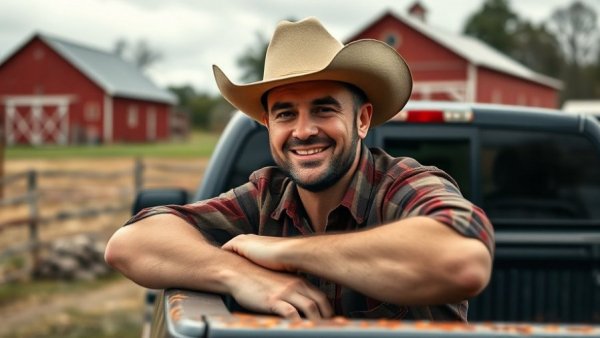
Clayton Tucker, a 35-year-old farmer and the likely first Democratic agriculture commissioner in Texas in over three decades, embodies a surprising shift in rural political landscapes. Standing at the helm of his family’s 300-acre cattle ranch in Central Texas, Tucker's rise is predicated not just on winning over loyal Democratic voters but on leveraging the growing disenchantment among traditional Republican supporters. As evidenced by the dramatic outcomes of the recent midterm elections, rural voters are reconsidering their political allegiances amidst rising disillusionment with the Republican Party.
Reasons Behind the Decline of GOP Support
In Texas, a staggering 90% of counties facing decreased voter turnout were rural. This reflects a larger trend where grievances over economic policies and external pressures from industries, such as tech, are fueling discontent among the agricultural community. Voters have expressed a sense of abandonment, feeling that their needs are overshadowed by wider economic interests driven by "Wall Street and Silicon Valley." This sentiment is increasingly shared by small-scale farmers and ranchers who find it difficult to compete with larger enterprises and international imports. Tucker articulates this feeling: many rural Texans feel like "sacrificial lambs" for an economy that prioritizes urban wealth over rural realities.
A Trend Not Limited to Texas
The rural voter exodus from Republican candidates is not an isolated phenomenon. Significant Democratic victories in other states provide compelling evidence of this shift. For example, Adam Hamilton’s win in Kansas marks a pivotal moment; his success in the U.S. Senate can largely be attributed to rural dissatisfaction over high fuel prices and agricultural challenges. Voters voiced their frustrations at the polls, clearly indicating their disapproval of rising costs and economic strain. Similarly, Montana’s Sam Forstag flipped a longstanding Republican congressional seat, with his campaign resonating with rural constituents who felt overlooked and unrepresented.
How Rural Sentiment Influences National Politics
Political analysts highlight that the outcomes of the midterm elections indicate a fundamental change in how both parties must engage with rural populations. Mentioning the critical need for both parties to recalibrate their messages, Abhishek Chatterjee from the University of Montana points out that Republicans now face a significant challenge in re-engaging with voters whose trust they have lost. Successfully addressing rural voters’ concerns—such as educational opportunities, health care access, and infrastructure needs—could determine the fate of future elections, echoing a poignant reminder of how localized economic distress can ripple through national politics.
The Impact of State Elections on National Trends
Interestingly, Texas served as the epicenter for this political upheaval. The recent elections revealed a remarkable trend as voters chose Gina Hinojosa as the state’s first Latina governor and the first Democrat to hold the office since Ann Richards left in 1995. This election was not merely a shift in incumbency; it represented a broader movement of changing priorities among the electorate. The consecutive victories for Democrats in top statewide offices have set the stage for a new political narrative, showcasing how Democrats can mobilize dissatisfaction to regain footholds in traditionally Republican-dominated areas. Additionally, many local elections reflected similar changes, with Democrats gaining ground in local government positions and school boards, further amplifying this seismic shift in political dynamics.
Future Predictions: The Road Ahead for GOP
Looking forward, the GOP must adapt its messaging and policies to effectively address the concerns of rural voters. Failing to do so could amplify the Democratic wave witnessed in the recent state elections. As rural issues gain visibility, both parties will have to confront stark realities such as rising fuel prices, agricultural stability, and the local economic impact of external industries invading local markets. Furthermore, Republicans need to reclaim narratives that resonate with their traditional base by proposing innovative solutions and listening to the pressing needs articulated by the rural populace. This re-engagement is essential not only for winning elections but for rebuilding trust with a voter base that has felt sidelined by national policies. Understanding how to cater to the economic and social needs of rural communities will be crucial in shaping an inclusive policy platform that resonates across party lines, fostering a spirit of collaboration rather than division.
Your Voice Matters
Have a story to share or want to contact us for more details? Drop us an email at team@kansascitythrive.com. Engaging in dialogue about these shifts is crucial in understanding the evolving dynamics of our political landscape. As communities come together to discuss their needs and share their experiences, we can gain deeper insights into how these changes might shape the future of political engagement in rural America. Staying connected with one another will foster a well-informed electorate capable of advocating for the policies that truly matter.






Write A Comment