






Kansas Election: Incumbents Secure Their House Seats
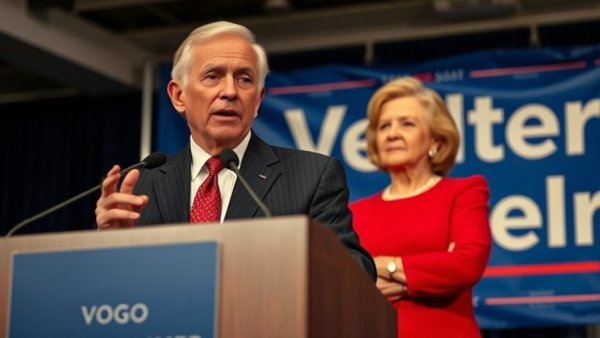
In a significant victory for the state's congressional incumbents, Kansas's four current representatives appear poised to retain their U.S. House seats, according to unofficial tallies released by the Secretary of State’s Office. Democratic Rep. Sharice Davids and Republican Rep. Ron Estes took to the stage to accept their anticipated wins as the voting results unfolded, showcasing the state’s political landscape and its implications.
As of 10:15 p.m., about 1 million votes—or roughly 88%—had been counted statewide, providing a clearer picture of the electoral outcome. Rep. Davids, addressing a jubilant crowd at the Overland Park Convention Center, emphasized Kansas’s emerging influence in national politics. “I think it is about time that people started paying attention to what’s going on in Kansas,” Davids declared, stressing the need for rational discussions, moving beyond divisive partisan rhetoric towards effective, common-sense solutions.
Incumbents Enjoy Strong Campaign Support
The Republican incumbents greatly benefited from the presence and support of prominent national figures, including visits from President Joe Biden and Vice President Kamala Harris. These efforts were key in rallying support not just for the incumbents but also for Republican Senator Roger Marshall’s campaign. In particular, Rep. Tracey Mann showcased a significant lead in the 1st District, while Rep. Derek Schmidt maintained a narrower margin in the 2nd District, illustrating the varying electoral dynamics at play.
With Mann ahead by 19 percentage points and Schmidt by just 2 points, the contrasting results point to an evolving political landscape in what traditionally have been strong Republican areas. Notably, Mann’s remarks about the election being significant signal a shift in political consciousness; he remarked that current electoral battles encompass a larger narrative of sanity versus extremism in politics. This perspective may resonate with many voters who feel a disconnect from the increasingly polarized debate often seen in national politics.
Challenges and Opportunities in 1st and 2nd Districts
In the 1st District, Mann, a Republican who has held office since 2021, faced a challenging candidate in Democrat Lauren Reinhold, who campaigned on issues resonating with the electorate regarding education, healthcare, and agriculture—topics of paramount importance to Kansans. “This race proves that Kansans are ready for change and that grassroots efforts can do big things,” Reinhold stated, suggesting a potential shift in voter expectations and desires. Her challenge to Mann reflects a broader questioning of the status quo in Congress and a hunger for representatives who genuinely advocate for local concerns.
Meanwhile, in the competitive 2nd District race, incumbent Schmidt faced Democrat Don Coover in a much tighter match compared to previous cycles. Coover, a veteran and veterinarian, engaged with communities across the district, underlining the importance of local issues. This highlights how incumbents in Kansas must increasingly contend with evolving expectations from their constituents, who are actively seeking leaders who prioritize local concerns over party loyalty.
The National Impact of Kansas Elections
The results from Kansas illustrate a pivotal backdrop to the broader national political discourse. With significant implications for upcoming elections, the incumbents' victories may signal shifting dynamics within both the Democratic and Republican parties. As Davids articulated, there is an opportunity for both parties to break free from polarizing discourse by embracing practical solutions that resonate with everyday citizens.
This notion arguably signifies that Kansas could become a model for bipartisan cooperation, particularly as we observe growing voter engagement and activism in local races. With issues like healthcare and education dominating conversations at both state and national levels, the outcomes in Kansas may encourage a broader trend towards candidates who prioritize pragmatic solutions over ideological battles.
As tighter races and shifting allegiances continue to emerge in formerly solid districts, political analysts will be keenly observing how these indicators might forecast national trends. Expectations of future electoral cycles suggest a necessity for politicians to adapt to their constituents' growing complexities of concerns. The changing dynamics seen in this election highlight voters' desire for more accountability and responsiveness from their elected officials.
Looking Ahead: A Call for Engagement
While Kansas incumbents appear to have secured their positions for now, this election cycle's results offer valuable reflections on the nature of political engagement and voter sentiment across the state. Kansans are collectively becoming increasingly vocal about their needs and preferences, challenging representatives to meet their expectations through effective governance.
In an era characterized by divisive politics, local elections like those in Kansas exemplify how crucial it is for voters to engage meaningfully with their representatives. The recent results underscore the need for proactive constituent participation, driving home the message that elected officials must be held to account and remain responsive to the evolving needs of those they serve.
Moreover, the election outcomes serve as a reminder that every vote counts. Voter engagement extends beyond Election Day; it is vital for constituents to communicate their concerns and priorities throughout the year. Advocacy efforts, town hall meetings, and community forums can create pathways for dialogue between representatives and their constituents, fostering a government that truly reflects the will of the people.
If you have a story to share or want to contact us for more details, drop us an email at team@kansascitythrive.com.





Write A Comment