





Grocery Store Struggles and Community Challenges in Kansas City
In Kansas City, grocery stores have been closing at an alarming rate, leaving many neighborhoods deprived of critical access to fresh food. Deborah Phillips, a local worker, recently experienced the heartache of seeing the Sun Fresh at Blue Parkway Shops close its doors, driven by rising operating costs and declining sales. "It’s a hard blow to the neighborhood," she lamented, noting the visible decline in store inventory during the months leading up to the closure. With Thanksgiving approaching, Phillips voiced concerns for residents without quick access to affordable groceries. In a city where reliable access to nutritional essentials is becoming increasingly scarce, each closure leaves a profound impact on the community fabric.
Transforming Food Deserts into Community Centers
While the city has seen a number of grocery stores shut down — notably the Sun Fresh on Linwood and Prospect and the Midtown Costco — there is a silver lining in the emergence of United Market KC. Opened by Anthony Estrada in May, this store not only fills the gap left by its predecessor but also serves as a beacon of hope for the community. Estrada reports averaging about 1,000 transactions daily, signaling a brisk start against the backdrop of many struggling stores. The enthusiasm surrounding United Market KC reflects a tangible need for such establishments, as residents are seeking reliable sources for their grocery needs.
Understanding the Community's Needs
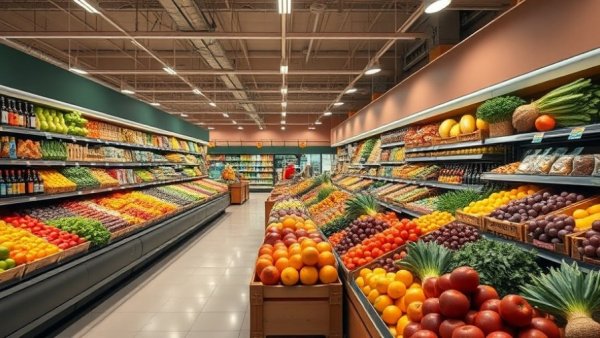
The community response to United Market KC underscores a significant shift in local grocery shopping preferences. It’s notable that loyal customers, including families, young professionals, and elderly citizens, have quickly embraced this new market. They appreciate not only the fresh produce on display but also the friendly customer service that reminds them of the more personal touch often found in neighborhood stores. This connection fosters a sense of trust and loyalty, crucial for any retail success. Furthermore, the fact that United Market KC encourages local sourcing of food items allows the community to support local farmers and small businesses, enhancing both regional economy and sustainable practices.
Strategic Solutions Lead the Way
Part of United Market's success lies in its strategic approach, which includes actively engaging with the community and adopting an innovative pricing strategy. This allows for a more accessible shopping experience. Estrada and his team place a strong emphasis on affordability and quality, working hard to ensure that their prices do not exceed what the average local resident can afford. With city officials advocating for access to nutritious foods in every neighborhood, combined with efforts to combat historical disinvestment, the future looks promising for grocery operations in Kansas City. The collaboration between local governments and businesses can play a pivotal role in shaping how neighborhoods manage food accessibility.
Economic Impact of Grocery Store Closures
When grocery stores shut down, the aftermath often turns neighborhoods into food deserts, significantly affecting local economy and health. The closures result in limited access to affordable, healthy food options, pushing residents to rely on fast food and convenience stores. As local businesses struggle to attract customers with fewer grocery options, community cohesion also suffers, leading to a vicious cycle of disinvestment and economic neglect. This fallout can create increased health disparities, as families with limited access to fresh fruits and vegetables may face long-term nutritional and health challenges. Understanding these implications is crucial as the community works towards rebuilding and restoring grocery options.
Community Insights and Engagement
What's evident from the experiences shared by residents is the need for community support and resources. Local initiatives and innovation play a key role in transforming grocery store closures into victories for the community. Programs to support local produce, alongside initiatives that encourage community shopping, can inspire a shift back towards neighborhood-centric economic growth. Gathering community feedback and fostering relationships with local consumers can cultivate loyalty and resilience against future challenges. Community gardens and co-op grocery models are also gaining traction as residents seek to reclaim their food systems through collaboration.
Looking Ahead: Reviving Grocery Access
Kansas City's journey to recover from grocery store closures highlights the essential need for diverse and accessible food options. As Anthony Estrada prepares to launch a second United Market in downtown KCK, the emerging success story of his business model showcases practical solutions that other neighborhoods could replicate. His ability to leverage local partnerships and engage directly with the community sets a powerful example. By balancing accessibility, collaboration with local governments, and an emphasis on community involvement, Kansas City might transform its grocery landscape, making it more resilient against economic fluctuations. Investing in education programs that promote healthy eating and cooking can also empower residents to make better food choices, creating a lasting impact.
Invitation to Join the Conversation
If you have a story to share about your neighborhood grocery or want to engage with local projects aimed at revitalizing communities affected by store closures, we'd love to hear from you. Your voice contributes to a larger narrative of solidarity and hope in reclaiming access to fresh food in our beloved Kansas City. Encouraging more residents to participate in discussions about food access and grocery needs will only strengthen the community’s voice and push for necessary changes that benefit everyone.







Write A Comment