






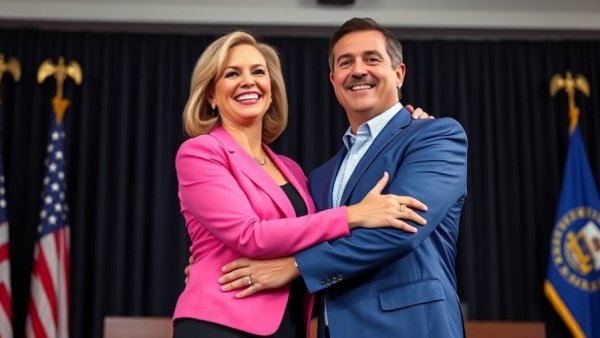
A Historic Moment in Kansas Politics
In a monumental shift that revisits history, Kansas voters may have elected Kelechi "KC" Ohaebosim as the second Black Kansan to hold a statewide office, nearly 140 years after Edward McCabe became the first in 1882. McCabe, a trailblazer of his time, served as the state auditor and paved the way for future generations of public servants. McCabe’s tenure, however, ended abruptly when party politics barred him from serving a third term, leaving a long gap of nearly one and a half centuries without Black representation in statewide positions.
Significance of Representation
“That is a gap of nearly 140 years, and that is significant,” remarked Angeline Johnson, chair of the Kansas African American Affairs Commission. The importance of representation in governance extends beyond symbolism; it influences policy from education to healthcare. As Johnson pointed out, when leaders reflect the communities they represent, the needs and priorities of those communities are far more likely to be acknowledged and addressed. This election showcases that sentiment vividly, as the outcomes highlight the need for diversity in leadership roles.
A Groundbreaking Election with Record Voter Engagement
Early indications show that Black and Latino voters played a crucial role in boosting Democratic candidates during the election, suggesting an engaging turnout that historically impacted local races. The impacts of these demographics signal a transformative trend in Kansas politics, potentially reshaping how candidates approach outreach and engagement strategies. While the final results are still pending, with the Kansas Secretary of State’s Office conducting a close-race audit, the early returns reveal a narrowing margin between the leading Democratic ticket of Cindy Holscher and KC Ohaebosim and their Republican challengers. The vote data also emphasized the power of every single vote in shaping the political landscape of Kansas.
The Trend of Voter Demographics
Counties with large Black populations, such as Sedgwick and Wyandotte, emerged as Democratic strongholds, reflecting a broader trend seen across the country. These areas are vital hubs for political mobilization, significantly influencing statewide election outcomes. Social media has dubbed these populations in Democratic contexts with terms such as “Blexas” and “Blansas,” encapsulating the significant impact of Black voters in battleground electorates. According to analyses, 86% of Black voters in Kansas supported U.S. Sen.-elect Adam Hamilton, highlighting a shift in voter allegiance and participation among communities of color that strengthen the Democratic platform.
The Important Role of Civic Engagement
The importance of civic engagement should not be overlooked. Voter participation is crucial, especially in elections where the margins are razor-thin. As Angeline Johnson stated, “What we do know is that this race is separated by only a few thousand votes out of more than — I’ve seen over a million cast — which reiterates the importance of voting, because it shows that each and every vote in every community counts, and we have to get out the vote.” This underscores the necessity of every citizen’s involvement in the electoral process.
Improving Future Representation
Leading figures in the Kansas Democratic caucus emphasized this election as a crucial step toward better representation. Nedra Locke, a prominent leader within the African American Democratic Caucus of Kansas, conveyed her excitement that Black voices in leadership positions can inspire future electoral participation. "Black Kansans in leadership positions open the door for future leaders," she stated, emphasizing that increased representation directly addresses the needs that often go unrecognized without adequate advocacy. This sentiment resonates deeply within communities that have for too long been marginalized in the state's governance.
The Broader Implications of These Elections
Reflecting on this narrative, the future of Kansas governance could be more reflective of its diverse population. Ensuring diverse representation can cultivate policies that bridge racial and socioeconomic divides. Johnson reiterated that when Black and Latino voters increase their turnout, they foster a more truthful representation of Kansas, highlighting the necessity of engaging all communities in political discourse. The experiences and perspectives of underrepresented groups can translate to informed decision-making on crucial issues such as education funding, healthcare accessibility, and criminal justice reform.
As these developments unfold, the importance of civic engagement becomes ever clearer. The story of KC Ohaebosim and his potential election into a statewide office is not just about one individual’s triumph; it is about the awakening of a community. Each vote during this pivotal election marks a step towards progress and equality, reminding citizens that their participation directly influences the direction of their state. Kansas stands at a crossroads, and every voter will continue to play a pivotal role in shaping the political fabric of their state.
Join the Conversation
Have a story to share or want to contact us for more details? Drop us an email at team@kansascitythrive.com. Your voice matters in these critical conversations, and engaging in dialogue will help foster understanding and connection among Kansas residents as they navigate this transformative political landscape.







Write A Comment