






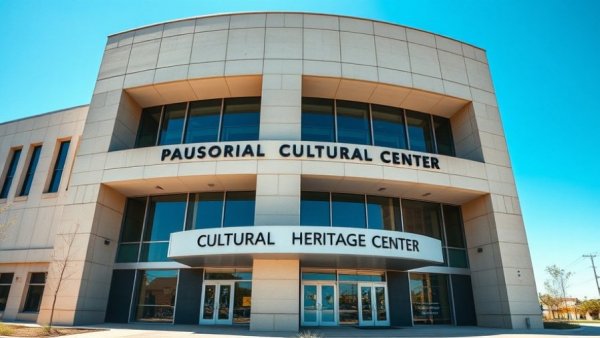
The Importance of the Bruce R. Watkins Cultural Heritage Center
The Bruce R. Watkins Cultural Heritage Center & State Museum serves as a vital beacon of African-American culture and history in Kansas City. Established to preserve and showcase the contributions of the African-American community, the center plays a critical role in educating residents and visitors alike about this rich heritage. With its diverse programming and exhibitions, it celebrates the narratives, struggles, and triumphs of African-Americans through the years, offering both insight and inspiration. In addition to its historical exhibitions, the center frequently hosts events that engage the community, such as art shows, storytelling sessions, and heritage festivals, making it a vibrant part of the community fabric.
Impact of Budget Cuts on Local Heritage
Recent budget discussions have sparked significant concern among community members following the Kansas City Parks and Recreation Board's announcement of proposed cuts for the upcoming fiscal year. The total cut of approximately $1 million has raised alarms, particularly regarding the possible reduction of funds to the Bruce R. Watkins center. Commissioner Stephenie K. Smith expressed her apprehensions, indicating that such cuts contradict the city’s master plan, which aims to enhance funding for historically underinvested cultural institutions, including arts programs and community accessibility initiatives. This situation has left many worried about the center's ability to continue its important work without adequate funding.
An Uncertain Future for Cultural Institutions
As the financial landscape for public institutions becomes tighter, the ramifications for cultural sites like the Bruce R. Watkins Cultural Heritage Center are dire. The decision to allocate funds away from cultural investments not only threatens the museum’s operations but also diminishes the visibility of African-American history in the local narrative. With calls for the City Council to intervene, community members hope to galvanize support to ensure that funding for cultural heritage does not take a backseat to other municipal needs. Beyond the center itself, these cuts could reflect a troubling trend toward sidelining cultural institutions in favor of short-term financial goals.
The Broader Implications of Funding Allocations
This controversy highlights larger conversations about budget priorities within the city. With the city also facing the expensive need for repairs to its fountains—costing an estimated $26.9 million—the question arises: how do we balance public heritage preservation with other city needs? This issue is emblematic of a nationwide trend where cultural and historical sites struggle to retain funding amidst increasing budgetary demands and competing municipal needs. The discussion around these budget cuts is not just about numbers; it’s about maintaining the identity and memory of a community. How Kansas City chooses to allocate its financial resources could set precedent for how cultural heritage is valued throughout the region.
Community Response and Organization
The local community has begun to respond to the potential funding cuts, rallying to protect the legacy of the Bruce R. Watkins Cultural Heritage Center. This includes letters to the City Council as advocates aim to raise awareness about the facility’s importance. Grassroots organizations, local artists, and residents are uniting to ensure their voices are heard, seeking not only to preserve this center’s legacy but to remind city leaders of the cultural enrichment it provides to the Kansas City area. Community meetings and social media campaigns are becoming avenues through which citizens can express their support and push for a restoration of funding. By publicly showcasing the center's impact, advocates hope to inspire a rethinking of budgetary decisions.
Essential Contributions of Cultural Centers
Cultural centers like the Bruce R. Watkins Center do more than preserve history; they serve as community hubs for education, interaction, and celebration of diversity. They offer a space where residents can learn about African-American culture and how it interweaves with the broader Kansas City narrative, fostering pride and understanding among all demographics. By housing educational programs, workshops, and events that reflect the community's character, these institutions play a crucial role in social cohesion and cultural appreciation. Losing such a critical space would not only be a blow to historical preservation but could also negatively affect community cohesion, particularly in a city that thrives on its diversity.
What Can Residents Do?
Residents of Kansas City are encouraged to engage with local government and express their support for the arts and heritage. Whether it’s attending community meetings, signing petitions, or sharing stories about the impact of the Bruce R. Watkins Center, individual actions can create a collective wave of advocacy. Open dialogues with city officials regarding the significance of the center may also help prioritize its needs in the budget. Additionally, community members are urged to share personal experiences that highlight what the center represents to them, making the case for preserving its funding more compelling.
In the face of uncertainty, it’s vital for the community to mobilize around the Bruce R. Watkins Cultural Heritage Center. The center stands not just as a building but as a testimony to the resilience and vibrancy of African-American history in Kansas City. It holds the potential to foster future generations’ understanding of the past, shaping a more inclusive narrative for everyone. Ensuring its survival should be a collective priority, echoing the values of cultural preservation and community unity.
Have a story to share or want to contact us for more details? Drop us an email at team@kansascitythrive.com






Write A Comment