






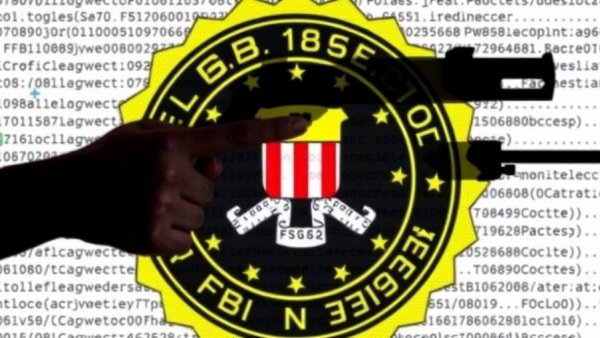
The Implications of the FBI Database Hacking on Gun Purchases
The recent hacking of the FBI’s National Crime Information Center (NCIC) database raises serious concerns about the integrity of firearm background checks across the country. While the FBI has not yet disclosed the full scope of the breach, the implications are profound for both law enforcement and would-be gun purchasers in Kansas City and beyond. This incident sheds light on vulnerabilities in our security systems during a time when public safety is at the forefront of community concerns.
The NCIC serves as a vital tool for law enforcement, functioning as an "electronic clearinghouse" that provides critical data on warrants, wanted individuals, and other criminal justice records. When someone attempts to buy a firearm, the FBI relies on this database to conduct National Instant Criminal Background Check System (NICS) checks in real time. This system not only protects the rights of responsible gun owners but is also essential for public safety. In a region like Kansas City, where the relationship between law enforcement and the community is crucial, maintaining the integrity of such databases is vital.
What Happens When a Breach Occurs?
In the current atmosphere of heightened concerns over gun violence and mass shootings, this data breach has triggered alarms that could lead to a cascade of consequences. Without the ability to trust the NCIC, the efficacy of background checks may be compromised, potentially allowing ineligible individuals to bypass the system for purchasing firearms. Such an outcome could have immediate ramifications for public safety across urban and suburban areas in Kansas City.
Industry experts predict that if the breach remains unresolved, there could be increased calls for stricter regulations around gun ownership. These proposed regulations may include more comprehensive background checks and enhanced scrutiny of firearm sales processes. Additionally, businesses in the Kansas City region that rely on firearm sales could see a diminished trust among customers. Local gun shop owner Kevin Miles shares, “People want to feel safe knowing that these checks work. If they think the system is broken, they might rethink their purchases.” The marketplace dynamic could significantly shift in response to community perception about safety and trust.
The Role of Technology in Ensuring Public Safety
This incident underlines a growing concern about the security of technology used in sensitive operations such as background checks. As systems become more digitalized, cybersecurity has become paramount to prevent unauthorized access. Recent reports suggest that investment in cybersecurity measures, such as enhanced encryption methods and regular security audits, may prevent future breaches and ensure that sensitive information remains protected.
In Kansas City, local businesses—especially those involved in the firearms industry—must now reconsider their digital strategies. Investing in robust cybersecurity protocols could serve dual purposes: protecting customer data and fortifying the integrity of background checks against potential threats. This approach not only benefits businesses but also assures customers that their safety is a priority. As more people become aware of cybersecurity risks, transparency in these processes will be integral in rebuilding trust with consumers who may feel uncertain about purchasing firearms.
Hacking and the Broader Gun Control Debate
The breach comes at a complicated time in the landscape of gun control and Second Amendment rights. Numerous protests and debates have sprung up nationwide, emphasizing the need for responsible gun ownership while upholding constitutional rights. The hacking incident adds another layer to this complicated dialogue, as it blurs the lines of public safety and individual freedoms. In communities across Kansas City, engaged citizens find themselves grappling with these issues on both personal and communal levels.
Pundits and political analysts are already weighing in on how this new development may affect upcoming legislative actions. The notion that hackers can infiltrate vital databases concerning public safety may embolden lawmakers to push for tighter regulations on not only firearms but also the technologies that handle sensitive data. Given the divisive nature of gun laws, this intrusion may push the discussion into a more heated realm, impacting how residents and local businesses react to proposed regulations.
What Residents Can Do to Address Concerns
Amid such concerns, local residents in Kansas City are encouraged to stay informed and proactive. Attending town hall meetings and engaging with local representatives can provide a platform to voice concerns and seek accountability. Residents should actively participate in local conversations surrounding gun safety and database security, ensuring that their voices are heard in this critical discussion.
Additionally, supporting businesses with robust cybersecurity measures could encourage more firms in the region to adopt similar practices. Shopping at local firearms stores that emphasize secure transactions and transparent policies can foster a supportive environment that prioritizes safety alongside Second Amendment rights. Moreover, community members should feel empowered to advocate for better regulations surrounding digital security, not just in firearms, but in all areas of public interest. As public dialogues around safety evolve, residents can play a crucial role in shaping a safer, more informed community.
Conclusion: A Call for Community Engagement
The hacking of the FBI’s NCIC database is not merely a technical issue; it could reshape public trust in the systems meant to ensure safety and responsibility. This situation presents a pivotal moment for residents and businesses in Kansas City to come together in discussions regarding safety and technology enhancements. Empowerment through education and advocacy can lead to more informed choices and ultimately a stronger community. Have a story to share or want to contact us for more details? Drop us an email at team@kansascitythrive.com.







Write A Comment