






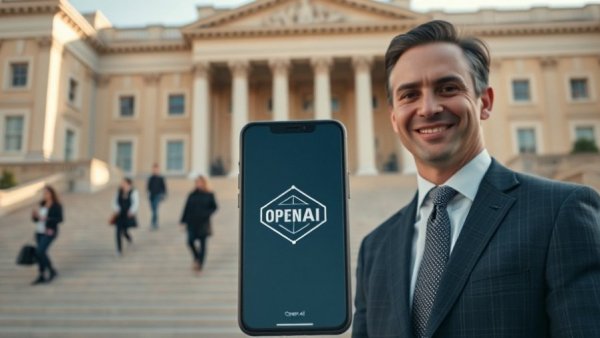
California's Bold Move: Bringing AI to Higher Education
The University of California (UC) has taken a significant leap into the world of artificial intelligence (AI) by signing a $1.2 million yearly agreement with OpenAI, granting students access to tools like ChatGPT and Codex. This partnership aims to democratize access to AI tools across UC campuses, with hopes of enhancing education and cutting costs. But the impact of this major deal has sparked intense debate among faculty and educators, raising critical questions about academic rigor and integrity that resonate beyond California.
The Controversy Over AI in Education
While UC President James B. Milliken promotes the initiative as a step towards equitable access to technology, many educators voice serious concerns regarding its implications for academic integrity and the quality of learning. The Academic Senate, representing faculty across the UC system, expressed alarm over the lack of consultation before the agreement was made. Academic Senate Chair Susannah Scott underscored the risks involved, stating, 'It is unwise to provide students with universal access to a tool capable of performing the academic work required to earn a degree without first addressing the concerns of the faculty.'
Faculty Pushback: A Crisis of Confidence?
The discomfort among professors has been palpable. A growing number of educators fear that supervised learning and critical thinking skills are being compromised with AI tools like ChatGPT. Greg Leazer, a UCLA information studies professor, warned that AI could replace genuine intellectual engagement with what he calls 'homogenized slop.' This sentiment captures a broader unease in academia as concerns escalate around declining academic skills. Reports suggest that faculty members are now compelled to re-teach students fundamental concepts like basic mathematics alongside the integration of AI.
The Argument for Accessibility: A Double-Edged Sword
Supporters of the UC-OpenAI partnership argue that access to such technologies is essential in leveling the playing field for all students. Currently, many wealthier students can afford premium AI tools that give them an edge over their peers. The initiative seeks to ensure that all students, regardless of economic background, can benefit from these cutting-edge technologies. This rationale is echoed by some faculty who see potential in AI as a tool for enhancing learning when used judiciously. They argue that students should have the opportunity to harness AI's capabilities without facing financial barriers, thus promoting inclusivity in technology adoption.
Implications for Academic Integrity and Learning
The introduction of AI tools into the classroom presents immediate challenges, notably in maintaining academic integrity. Richard Borcherds, a mathematics professor at UC Berkeley, has notably begun to adjust his grading methodologies in light of widespread AI use among students. He no longer grades homework but instead relies on in-person exams to gauge student comprehension. 'Online exams are now a waste of time as several students just use AI to answer the questions,' he remarked. This shift reveals the vast changes that institutions may need to undertake to adapt to an AI-augmented academic environment. Borcherds' experience exemplifies a growing trend in which faculty members feel pressured to change their evaluation methods, raising concerns about how these alterations may affect both teaching and student learning outcomes.
Future Predictions: Navigating the AI Landscape
As universities like UC navigate the rapidly changing tech landscape, ongoing dialogues between administrators and faculty will prove crucial. The uncertain future of education in an AI-driven world begs the question: can traditional methods of teaching coexist with automated support? Experts predict that institutions will need to redefine roles, curricula, and evaluations to maintain their educational core. Moreover, collaborations among educational institutions, technology developers, and policymakers will be essential in creating frameworks that support academic integrity while embracing innovative learning methods.
Practical Insights: Moving Forward in the AI Era
For local educators and business owners in Kansas City, insight from such developments can guide strategic decisions. Embracing the transformative potential of AI must be accompanied by thoughtful conversations about preserving educational values, fostering critical thinking, and preparing future generations to thrive in an evolving digital landscape. As local businesses look to engage customers amid these changes, emphasizing the unique human skills and creativity that cannot be replicated by AI will be critical. While AI can enhance efficiency and provide quick solutions, the value of deep learning, nuanced understanding, and personal interaction remains irreplaceable in educational settings.
Furthermore, Kansas City businesses can consider offering workshops or seminars focused on integrating AI responsibly, ensuring their employees and customers can adapt to these technologies. Community discussions could also help identify areas where AI can support local industries without compromising ethical standards or quality.
Conclusion: Share Your Thoughts on AI in Education
The introduction of AI into higher education marks an inflection point that will influence how knowledge is imparted and absorbed across generations. Stakeholders, from professors to students and local businesses, must gather to navigate these uncharted waters effectively. Have a story to share or want to contact us for more details? Drop us an email at team@kansascitythrive.com. Your thoughts and experiences can contribute to this vital conversation, helping to shape the future of education and technology in our communities.







Write A Comment