






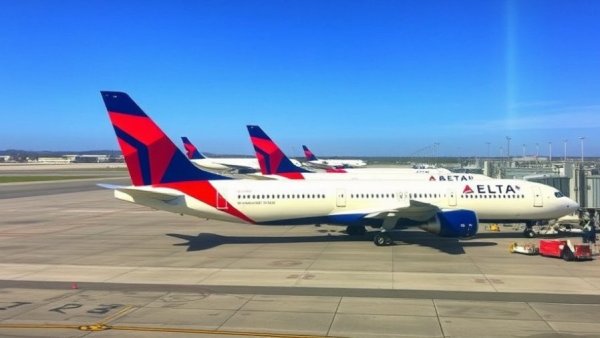
Delta Air Lines Grounded by Tech Trouble: What You Need to Know
This past Sunday morning, Delta Air Lines faced a major setback as its automated system responsible for calculating aircraft weight and balance experienced significant issues. As Thanksgiving travel approaches, this hiccup led to extensive delays across the nation, causing ripple effects felt even in cities far from the epicenter, like Kansas City. The timing couldn’t have been worse, as travelers across the country were preparing for one of the busiest travel weekends of the year.
Understanding the Impacts of Automation Failures
Delta confirmed that the Federal Aviation Administration (FAA) had to implement ground delays, primarily affecting flights to and from Atlanta, where delays averaged 57 minutes. Affected travelers in Kansas City and beyond witnessed the challenges of relying on automated systems, which are designed to enhance efficiency yet can also lead to widespread disruptions when they malfunction. Delta's efforts to manage the situation included manual workarounds, allowing them to safely depart flights while they worked to restore their automated processes. This incident underscores the delicate balance airlines must maintain between automation and operational reliability.
The Thanksgiving Rush and Its Challenges
Travel volumes during the Thanksgiving holiday are particularly high, and estimates suggest that around four million people will pass through Hartsfield-Jackson Atlanta International Airport, the busiest airport in the world. With air travel being a centerpiece for many Americans reuniting for the holiday season, a single service failure not only disrupts individual travel plans but also creates a domino effect throughout the entire network. These delays can ripple out, affecting connecting flights and travelers trying to reach their destinations on time.
As local businesses in Kansas City gear up for increased foot traffic associated with the holiday, the importance of smooth travel for shoppers and tourists cannot be overstated. Many local stores rely on visitors who are traveling for the holidays. In addition to specific products, local eateries and attractions can benefit from an influx of out-of-town guests. However, if air travel is severely delayed, those businesses could suffer as potential customers alter their plans.
Local Perspective: How Automated Systems Affect Businesses
For Kansas City-based businesses, understanding the broader implications of such disruptions is key. With many customers relying on air travel for shopping or visiting family, these delays might dissuade some from venturing out or making travel plans. It’s crucial for local businesses to prepare for variations in customer flow and consider contingency plans for the holiday rush. This incident serves as a wake-up call, reminding all of us how interconnected our travel systems and local economies are. Business owners might need to consider strategies such as flexible staffing or promotional offers to encourage shoppers even when travel hiccups occur.
The Role of Technology and Future Protections
As we become increasingly reliant on technology in the aviation sector, ensuring robust backup systems and protocols is more vital than ever. Automation in flight operations has made processes significantly more efficient. However, this incident highlights the potential vulnerabilities that can arise when technology fails. While Delta has asserted that it is committed to resolving the technology issue, it is also a chance to rethink how airlines and other industries handle failures in automated systems. This could mean more reliable protocols for backup systems or further investment in staff training to manage tech failures effectively.
In a time of rapid technological advancement, ensuring resilience against such failures is imperative. Airlines and airports may also need to collaborate more closely with technology providers to ensure that any automated systems in place have strong fail-safes and responsive human intervention protocols to manage situations like this one. This emphasis on a balanced approach between human oversight and automated efficiency will be crucial as travel demands increase.
Voice of the Community: Share Your Experiences
In light of these recent developments, local residents and businesses in Kansas City are encouraged to share their thoughts and experiences regarding travel delays. Have you been affected by disruptions like this before during busy travel times? What strategies do you think businesses should adopt to cope with sudden spikes or drops in customer flow due to travel interruptions? Maintaining open lines of communication within the community can foster connectivity and support localized solutions, allowing both businesses and customers to adapt to unexpected travel scenarios.
Conclusion: Staying Prepared Amid Uncertainty
As the holiday season approaches, the importance of staying informed and prepared can't be overstated. Whether it's having a contingency plan for unexpected delays or ensuring a seamless customer experience, both travelers and businesses alike need to navigate the complexities brought forth by technology dependencies. To ensure our community remains vibrant, let’s communicate and strategize together. By sharing insights and preparing for the potential affects of unforeseen events, we can collectively improve resilience.
Have a story to share or want to contact us for more details? Drop us an email at team@kansascitythrive.com.







Write A Comment