






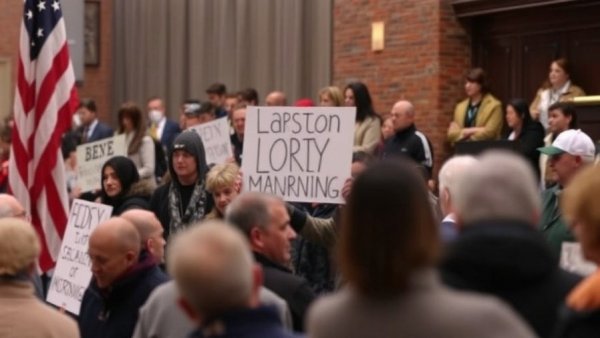
Boston City Council’s Meaningful Step Forward
On November 26, the Boston City Council made a notable decision by adopting a resolution to designate the day as a "National Day of Mourning." Although this measure might not hold legal weight or alter city operations, it represents more than a symbolic act; it reflects an endeavor to acknowledge the complex history of Thanksgiving. This growing recognition calls upon residents and city officials alike to reassess traditional practices surrounding this holiday, urging a transition from mere celebration to meaningful reflection.
Understanding the Roots of Mourning
This resolution, brought forward by Councilor Benjamin Weber and co-sponsored by twelve other councilors, follows a pattern of similar ceremonial recognitions established in prior years. The intention behind this resolution was highlighted by Councilor At-Large Julia Mejia, who emphasized that the narrative often found in American classrooms about Thanksgiving overlooks the profound repercussions of colonialism on Indigenous peoples. By declaring a National Day of Mourning, the council encourages families and individuals to pause and ponder the long-standing impacts of colonialism on Indigenous communities across the nation.
Every Year, Recognizing the Past
In essence, the council's actions hark back to earlier discussions on how Thanksgiving has been celebrated historically. This conversation extends to Plymouth, Massachusetts, known for the 1621 feast between the Pilgrims and the Wampanoag people. In Plymouth, the town has seen legal disputes arising from Indigenous groups observant of the holiday as a day of mourning, echoing the sentiments expressed by Boston’s councilors. The recurring theme surrounding the holiday as one of celebration often disregards the pain and losses experienced by native communities since colonial times. As these discussions unfold, they present a valuable opportunity for cities like Boston and Kansas City to lead the way in fostering cultural awareness.
The Legal Landscape Around Mourning
The United American Indians of New England (UAINE) have organized gatherings on Cole’s Hill in Plymouth every Thanksgiving since 1970, which emphasizes remembrance rather than simply celebration. However, their recent struggles with the town over permits and insurance underscore a contentious dynamic that continues to unfold. A recent ruling by Plymouth Superior Court Judge Brian Glenny may unlock further opportunities for UAINE as they advocate for their right to gather without undue restrictions. The ruling highlighted the importance of access to public spaces for commemorations, reinforcing the significance of freedom of assembly and expression, particularly for marginalized groups. This legal victory not only represents a step forward for UAINE but may also serve as a precedent, signaling potential future support for similar initiatives in cities where Native American history has often been overshadowed.
Recognition Versus Celebration: Schools Taking Charge
The recognition of Thanksgiving as a "National Day of Mourning" resonates beyond Boston as local educational institutes begin to reshape how this history is taught. For example, Loudoun County Public Schools in Virginia have introduced lessons that acknowledge the violent history, settling on a narrative that includes a recognition slide stating "Day of Mourning." Such educational frameworks foster discussions about history in a manner that is informed, sensitive, and representative of all communities. By incorporating these perspectives into school curricula, educators equip the next generation with a more complete understanding of American history, allowing them to engage critically with the complexities of the past.
A Broader Perspective: What This Means Today
This ongoing conversation isn't merely about the past; it aims to open pathways for understanding the present implications of historical events. With Thanksgiving evolving into a day for remembrance, it invites people to delve deeper into discussions about truth, justice, and reconciliation. Locally, Kansas City residents can partake in this transformation by seeking out events that honor Indigenous cultures or attending discussions that highlight the often-unrecognized narratives of oppression and survival.
Next Steps: A Call for Unity and Understanding
As residents of the Kansas City area reflect on Thanksgiving, it is vital to consider not just the traditional narratives but also to engage with the stories that often go unheard. Councilor Mejia's perspective encourages us to think critically about how history impacts present-day society. This reflection invites local communities to debate and discuss how these narratives can be integrated into their own celebrations of Thanksgiving. Furthermore, establishing a dialogue within our own neighborhoods could prove beneficial in creating a more understanding and inclusive society. Community forums, local gatherings, and outreach initiatives can provide a platform for diverse voices, bridging gaps between cultures and encouraging shared understanding.
Ultimately, the designation of Thanksgiving as a "National Day of Mourning" serves as a critical reminder of the pain intertwined with the history of this day. As conversations around this topic grow, so does the opportunity for healing and unity across different communities. Whether it’s through education, recognition, or personal reflection, individuals are encouraged to embrace the transformative power of acknowledging and understanding history in its entirety.
Have a story to share or want to contact us for more details? Drop us an email at team@kansascitythrive.com.







Write A Comment