






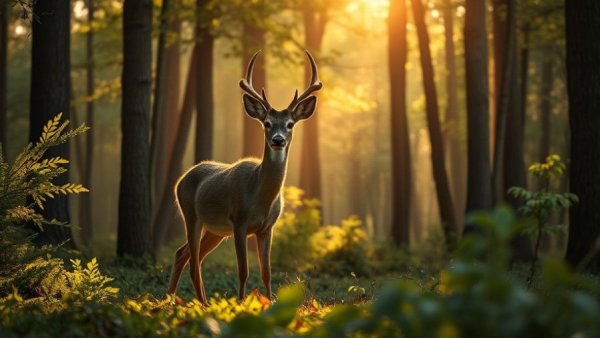
Why Hunting Matters in Our Connection to Nature
As the deer hunting season unfolds in Kansas, the sport provides a unique engagement with nature, one that offers both challenges and rewards. The act of hunting requires individuals to step outside their daily lives and immerse themselves in the wilderness, even if it may be within the confines of a plowed field or close to urban areas. This connection to nature is crucial; it reminds us of the beauty of wildlife—and how fragile that beauty has become. In an age where urban development encroaches on natural habitats, the need to appreciate and protect the wilderness grows.
Moreover, hunting can promote a sense of local and cultural identity. For many Kansans, hunting deer is not just a pastime; it’s a tradition passed down through generations, fostering connections within communities. Families gather during the season, sharing stories, meals, and experiences, while instilling values of respect and stewardship for the land and its wildlife. This multifaceted relationship underscores the importance of preserving our natural environments for both ecological significance and community cohesion.
The Impact of Feeding and Baiting on Hunting Ethics
With the rise of feeding and baiting practices among hunters, questions arise regarding the ethics of these methods. While they may seem to enhance the hunting experience by making deer easier to track and kill, they ultimately diminish the essence of hunting. Supplying deer with feed alters their natural behaviors, decreasing their elusiveness and the challenge that traditional hunting embodies. As hunters, there is a responsibility to respect wildlife and maintain a deep connection to the natural instincts of the creatures we aim to engage with.
This trend towards baiting also raises significant concerns about wildlife health and ecological balance. When deer become reliant on human-provided food sources, their natural foraging behaviors diminish, which can disrupt migration patterns and lead to population density issues. The very act of enhancing hunting success by baiting can have adverse long-term effects on wildlife management and conservation efforts.
Confronting the Vanishing Wilderness
The concern for a waning wilderness is not merely a nostalgic cry for the past. The physical landscape of Kansas is changing, with fewer areas left untouched by human hands. Over the last century, agricultural expansion and urban development have significantly fragmented the landscape, limiting the natural habitats available for wildlife. According to recent ecological studies, reduced access to wilderness can have detrimental effects on mental health and well-being. The American Psychological Association highlights that experiences in nature reduce stress levels and enhance mood, reinforcing the urgent need to preserve these spaces.
Contact with nature helps to alleviate stress and foster a sense of community among those who treasure these natural spaces. As urban areas grow, the remaining wild places become critical sanctuaries for both wildlife and people. The bison and other native species serve as potent reminders of what has been lost and what is at stake. Conservation efforts aimed at protecting these areas can reignite public interest in preservation and encourage people to take an active role in safeguarding our natural heritage.
Embracing Responsible Hunting Practices
Adopting responsible and ethical hunting practices becomes vital in safeguarding the relationship between humans and wildlife. Encouraging a return to traditional, fair-chase hunting methods helps preserve the challenge and excitement of the hunt, while fostering a deeper respect for the animals involved. This approach emphasizes the importance of understanding animal behavior and natural habitats, allowing hunters to engage with wildlife in a more meaningful way.
Moreover, responsible hunting supports broader conservation initiatives. Many hunters contribute to wildlife management through licensing fees and conservation funds. These resources help maintain and preserve habitats, ensuring ecosystems remain healthy and sustainable. As stewards of nature, it's our duty to strike a balance between enjoyment and sustainability, ensuring future generations also have the opportunity to connect with the wild.
Future Implications of Our Choices
The present choices we make significantly impact the future of wildlife management and environmental policies. As hunters and outdoor enthusiasts advocate for protective measures, it is essential to engage in discussions on wildlife conservation, habitat preservation, and sustainable practices. The legacy we leave behind hinges on our actions today; thus, taking a stand for a more ethical approach to hunting can ensure that wildlife continues to thrive, not just for sport, but for the joy of existence.
Looking ahead, the challenge lies in educating new generations of hunters about sustainable practices and the importance of preserving the natural environment. Increased awareness and understanding can help bridge the gap between traditional hunting techniques and modern environmental needs. By fostering a culture of conservation-minded hunting, we can work toward a future where both wildlife and human communities flourish alongside one another.
Join the Discussion
Your thoughts and experiences matter deeply—a conversation regarding the respect and protection of wildlife and natural landscapes is necessary. Hunting is more than just a sport; it embodies our interaction with the natural world. Together, we can promote responsible hunting and ensure wildlife, like the majestic bison, remains a part of our shared heritage. Have a story to share or want to reach out for more details? Drop us an email at team@kansascitythrive.com.






Write A Comment