






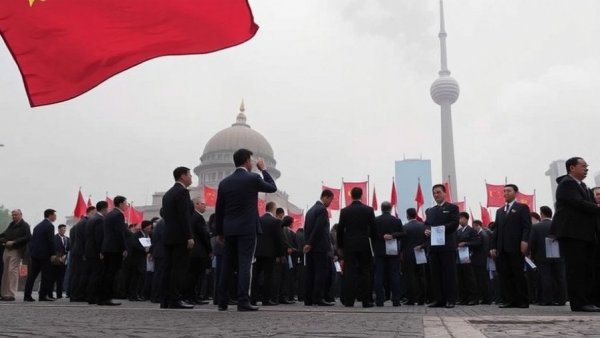
China's Diminished Role in Global Climate Discussions
In recent decades, China has positioned itself as a pivotal player in global climate discussions, yet its status as the world's biggest polluter casts a long shadow over its contributions. As the United Nations Climate Summit concluded, many countries pointed fingers at China, demanding accountability for the lack of progress in combating climate change. This backlash comes at a crucial time when the world is facing increasingly severe climate crises, and the political dynamics surrounding them have never been more contentious.
The Climate Summit Disappointment
Delegates at the Climate Summit had high hopes for substantial agreements and commitments. However, the anticipated progress stalled, with China's reluctance to take more aggressive measures being a significant factor. Reports suggest that other nations, particularly those heavily impacted by climate change, expressed their disappointment regarding China's emissions policies and its perceived unwillingness to commit to stringent climate targets. This sentiment highlights the growing impatience among nations that have already experienced the devastating effects of climate change.
Among the anticipated agreements was a set of binding emissions targets designed to curb global temperature rise to manageable levels, but the lack of decisive action from major polluters like China raised concerns. Countries such as India, Brazil, and various island nations made impassioned pleas for accountability and emphasized the urgent need for collective action that includes significant contributions from nations with the largest carbon footprints. The stakes are high, as scientists warn that failure to act decisively could lead to irreversible damage to ecosystems and human livelihoods.
Domestic Political Pressure on China
China's internal politics may also play a role in its hesitant stance. The Chinese government faces immense pressure to balance economic growth with environmental responsibilities. With its economy recovering after the pandemic, prioritizing industrial output often trumps environmental considerations. Such priorities create friction in international relations, particularly with countries demanding more accountability and action from China regarding its emissions.
Furthermore, the Chinese Communist Party's focus on maintaining social stability and economic prosperity complicates efforts to enforce stringent environmental measures. Citizens’ livelihoods, particularly in vulnerable sectors reliant upon heavy industry, often shape the government's hesitance to adopt aggressive climate policies. This interplay between political, social, and economic factors causes a reluctance where actionable change is concerned, highlighting the complexities underpinning global climate discussions.
A Global Call for Action
Despite the setbacks at the Climate Summit, voices from around the globe continue to advocate for immediate and impactful actions against climate change. Experts emphasize the need for all countries, especially major emitters like China, to take cooperative approaches to mitigate the crisis affecting our planet. A collaborative framework could help integrate sustainable practices in industrial policies, benefiting economies and environments alike.
Climate scientists advocate for increased commitments to renewable energy use, investment in green technologies, and the adoption of circular economy principles. As technological advancements present new possibilities, the dialogue shifts toward innovation-led solutions that could drive down emissions substantially. Countries that embrace transition towards renewables not only bolster their environmental credentials but often also reap economic benefits, creating jobs in burgeoning industries.
Repercussions for China's Global Standing
China's failure to lead on this front has broader implications for its global standing. As other nations rally for change, criticisms of China's environmental record may deepen. The hesitance to shift towards greener practices can strain relationships with Western nations, potentially leading to economic and diplomatic repercussions. As the international community grows weary of inaction, expectations for climate accountability will only intensify.
Leaders from various nations have expressed increasing skepticism towards China's pledges, questioning its sincerity and commitment to substantial change. This growing impatience could lead to diplomatic tensions, trade repercussions, and pressures to reconsider global partnerships. As countries become more serious about their climate commitments, China's stance may hinder its influence at future summits, affecting its ability to negotiate in broader global forums.
Emphasizing Local Action in Kansas City
For residents and businesses in Kansas City, the conversation around climate action may feel removed from daily life. However, local commitments to sustainability can resonate globally. Small businesses and residents alike can champion eco-friendly practices, reduce waste, and advocate for renewable energy. Transitioning to sustainable practices not only benefits the environment but can also attract customers who are increasingly conscious of their ecological footprint.
Local initiatives, such as urban gardening and partnering with local farms for food sustainability, can also foster a sense of community and responsibility. Workshops on eco-friendly practices and incentives for businesses to adopt greener technologies not only educate but empower residents to engage actively in mitigating climate issues. Kansas City has a strong sense of community that can be harnessed to support sustainability efforts.
The Path Forward: What Kansas City Can Do
As discussions about climate change escalate, Kansas City must take proactive steps to promote sustainability. Local initiatives, such as green certifications for businesses, community recycling programs, and partnerships with environmental organizations, can enhance community engagement. By leading through example, Kansas City can contribute significantly to the global dialogue on climate change.
Moreover, businesses can integrate sustainable practices not only as a matter of responsibility but also as a smart economic strategy. Consumers increasingly favor eco-conscious companies, and local businesses have an opportunity to differentiate themselves through sustainability. This shift may generate a competitive edge in the local marketplace while also contributing to a larger planetary goal.
In conclusion, as global dynamics around climate change evolve, every city, including Kansas City, holds a piece of responsibility. Engagement at local levels impacts national policies, ultimately fostering a future where climate action is prioritized and valued. Have a story to share or want to contact us for more details? Drop us an email at team@kansascitythrive.com.







Write A Comment